Cor Vision vs. Cor Vision Plus: Which Cortizo Sliding Door is Right for Your Project?

The Cortizo Cor Vision series represents the pinnacle of slimline architectural glazing, designed to maximize light and minimize frame. Both the Cor Vision and the Cor Vision Plus offer stunning 20mm–25mm sightlines, but they are engineered to meet fundamentally different project requirements.

Choosing the right system comes down to three key technical factors: size, thermal performance, and automation.

Here is a technical comparison to help you determine which model provides the ideal balance of aesthetics and performance for your build.

Technical Comparison At a Glance

Feature Cortizo Cor Vision (Standard) Cortizo Cor Vision Plus
Interlocking Sightline 20mm 25mm (Slightly thicker for structural integrity)
Max Panel Dimensions (Approx.) 2.5m Wide x 3.0m High 4.0m Wide x 4.0m High
Max Manual Weight Capacity Up to 400 kg Up to 400 kg
Max Motorised Weight Capacity Not available Up to 700 kg (Motorised option only)
Glazing Option Double Glazing (Max 30mm) Double or Triple Glazing (Max 54mm)
Thermal Performance (Typical Uw) Uw Uw
Operational Feature Manual operation only Motorised/Automatic option available

1. The Critical Difference: Size and Weight Capacity

The primary differentiator between the two systems is the sheer scale they can achieve.

  • Cor Vision (The Minimalist Standard): This system is perfect for projects requiring a standard large opening. Its panels go up to approximately 3 meters high and can handle sashes up to 400 kg. This is more than sufficient for replacing standard patio doors or glazing most new extensions. Crucially, it maintains the absolute slimmest 20mm sightline.

  • Cor Vision Plus (The Oversized Specialist): This is the system for ambitious, grand-scale architecture. It is engineered to handle oversized panels reaching up to 4 meters in height and width—truly replacing an entire wall. To manage this massive scale, the interlock sightline is slightly increased to 25mm, providing the necessary structural strength.

The Verdict on Size:

  • If your design requires the absolute slimmest frame (20mm) and panels up to 3m high, choose Cor Vision.

  • If your vision requires a monumental glass wall up to 4m high and the slight frame increase is acceptable, choose Cor Vision Plus.

2. Thermal Performance: Double vs. Triple Glazing

The glazing capacity directly impacts a system’s thermal performance (measured by the Uw value).

  • Cor Vision: This model supports double glazing up to 30mm thick. This offers excellent insulation for a slimline system, often achieving Uw values around . This is highly efficient for most UK and European residential projects.

  • Cor Vision Plus: The wider, stronger sash is designed to accommodate triple glazing packages up to 54mm thick. This is key for achieving Passivhaus-level or extremely low-energy performance, with Uw values dropping as low as . This superior insulation also dramatically improves acoustic dampening.

The Verdict on Thermal Performance:

  • For excellent energy performance with a standard budget, Cor Vision is highly effective.

  • For the best possible insulation, superior noise reduction, or where building regulations demand extremely low Uw values, Cor Vision Plus is mandatory.

3. Operation and Automation: Manual vs. Motorised

Moving large glass panels smoothly requires sophisticated engineering, and at the Plus level, automation becomes a necessity.

  • Cor Vision: This is strictly a manual system, engineered for smooth operation up to its 400 kg limit.

  • Cor Vision Plus: While it can be operated manually up to 400 kg, the Plus system is designed with a hidden, high-capacity motorised option to handle panels weighing up to a staggering 700 kg. This feature is ideal for convenience, accessibility, and integrating with modern smart home systems, especially for the largest panels.

The Verdict on Operation:

  • For standard use and manual control, Cor Vision is efficient and simple.

  • For the convenience of automation or for any panel exceeding 400 kg, Cor Vision Plus is the only choice.

Conclusion: Matching the System to the Vision

Both Cortizo systems deliver the ultimate slimline aesthetic. The choice rests entirely on the scale and performancedemands of your project:

Choose Cor Vision if… Choose Cor Vision Plus if…
You need the absolute slimmest frame (20mm). Your panels exceed 3m in height or width.
You only require double glazing. You need the lowest Uw values (triple glazing).
Manual operation is preferred or sufficient. You require the convenience of motorised operation (up to 700 kg).
The project budget is a primary consideration. The project is a high-specification architectural design.

Ready to determine the exact specifications for your build? Contact our technical team to discuss your panel sizes and desired thermal ratings to ensure you select the perfect Cortizo system.

The Engineering of Effortless Operation: What Makes a High-End Sliding Door Slide So Smoothly?

The most striking feature of a slimline sliding door system like the Cortizo Cor Vision is the sheer scale of the glass. These panels can be massive—often hundreds of kilograms each—yet they glide open with a mere touch, feeling almost weightless.

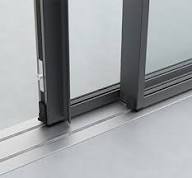
This effortless operation is not magic; it’s a direct result of meticulous engineering focused on three critical, often-unseen components: the rollers, the track, and the structural design.

Here is a deep dive into the hidden mechanics that ensure a large glass wall moves with the precision of a Swiss watch.


1. The Foundation: High-Performance Roller Assemblies

The roller system is the heart of the smooth operation. In a high-end slider, these are not simply small wheels; they are complex, multi-component assemblies designed to handle tremendous loads.

  • Load-Bearing Capacity: High-end rollers are precision-engineered to accommodate heavy weights, often rated to safely support panels of 300 kg, 400 kg, or more. They use durable materials, typically stainless steel or high-grade polymers, to prevent deformation or wear over time.

  • Tandem Roller Design: Many top-tier systems use tandem rollers—multiple wheels per assembly—to distribute the panel’s weight evenly across the track. This prevents any single point from bearing excessive stress, ensuring longevity and consistent movement.

  • Precision Bearings: The secret to the gliding motion lies in the bearings. Premium rollers feature precision ball bearings (often sealed for protection against dust and moisture). These components significantly reduce friction, allowing the massive panel to be moved with minimal force.

2. The Path: The Track System and Drainage

The track is the crucial path the rollers follow. A low-quality track will quickly lead to sticking, grinding, and failure. A premium system is designed for both precision and maintenance.

  • Corrosion-Resistant Materials: Since sliding tracks are often exposed to moisture, they must be highly resistant to corrosion. Tracks are typically constructed from hardened stainless steel or robust aluminium.

  • Recessed and Flush Design: For a seamless aesthetic, modern tracks are often installed flush with the interior floor. This requires a sophisticated design that still manages water. High-end systems include integrated drainage channels to efficiently divert rainwater away, preventing standing water that could compromise the rollers or the surrounding floor structure.

  • Self-Centering and Alignment: The track profile is designed to ensure the rollers remain perfectly centred. This precise guidance prevents any side-to-side wobble or rubbing, which is critical for maintaining the tight seals and the door’s effortless feel.

3. Structural Rigidity and Panel Guidance

The structural integrity of the frame and the glass panel itself plays a vital role in smooth operation.

  • Non-Flexing Profiles: When a large, heavy panel is pushed or pulled, the aluminium profile must not flex or twist. High-quality systems use engineered, multi-chambered profiles that provide exceptional rigidity. Flexing would cause the panel to bind in the track, instantly ruining the “effortless” experience.

  • Integrated Handling: The handles themselves are part of the engineering solution. Systems like the Cor Vision often feature a streamlined, integrated handle mechanism. This design ensures that the force exerted by the user is applied directly and optimally to initiate movement, rather than being applied to an external handle that might twist the frame slightly.

  • Precision Manufacturing Tolerances: High-end door manufacturers work within exceptionally tight manufacturing tolerances. This ensures that every panel is perfectly square, every roller housing is precisely aligned, and the gap between the interlock profiles is exact (e.g., the 20mm sightline). This precision guarantees that when the panel moves, it follows a true, straight line.


The Result: A Door That Glides

When premium components—low-friction tandem rollers, corrosion-resistant flush tracks, and highly rigid aluminium profiles—are precision-engineered together, the result is the ultimate user experience.

The door doesn’t slide; it glides. It’s a testament to the fact that in architectural glazing, the unseen engineering details are often the most important features, providing you with years of beautiful, maintenance-friendly, and truly effortless operation.


Planning your next glazed opening? Let us walk you through the technical specifications and operational feel of our high-end sliding door systems.

Beyond the Bifold: Why Slimline Sliding Doors are Redefining Contemporary Design

For years, the bifold door was the undisputed king of patio glazing, promising to open up an entire wall and bring the outside in. They offered a dramatic, accordion-style solution that captured the imagination of many homeowners.

However, a quiet revolution has been happening in architectural glazing. With advancements in engineering, slimline sliding doors are making a powerful resurgence, providing a superior solution for the modern, minimalist aesthetic.

The key to this comeback lies in one crucial difference: the frame.


The Fundamental Design Shift: View vs. Opening

The choice between a sliding door (like the Cortizo Cor Vision) and a bifold essentially comes down to two design priorities:

  1. Maximum Uninterrupted View (Sliding Doors): Prioritising minimal frame and maximum glass, both when the doors are closed and when they are partially open.

  2. Maximum Unobstructed Opening (Bifold Doors): Prioritising removing the entire wall of glass when the doors are fully retracted.

While bifolds offer a full opening, the contemporary focus has shifted overwhelmingly to achieving the perfect, uncompromised view.

1. The Power of the Slim Profile: Less Frame, More Light

The most compelling argument for a modern slider is its ability to almost disappear.

Feature Slimline Sliding Doors (e.g., Cor Vision) Traditional Bifold Doors
Interlocking Sightline As little as 20mm Typically 80mm – 150mm
Glass-to-Frame Ratio Extremely high (up to 94% glass surface area) Lower, due to multiple vertical dividing lines
Visual When Closed Near-seamless glass wall; view takes centre stage. Multiple vertical aluminium lines break up the view.

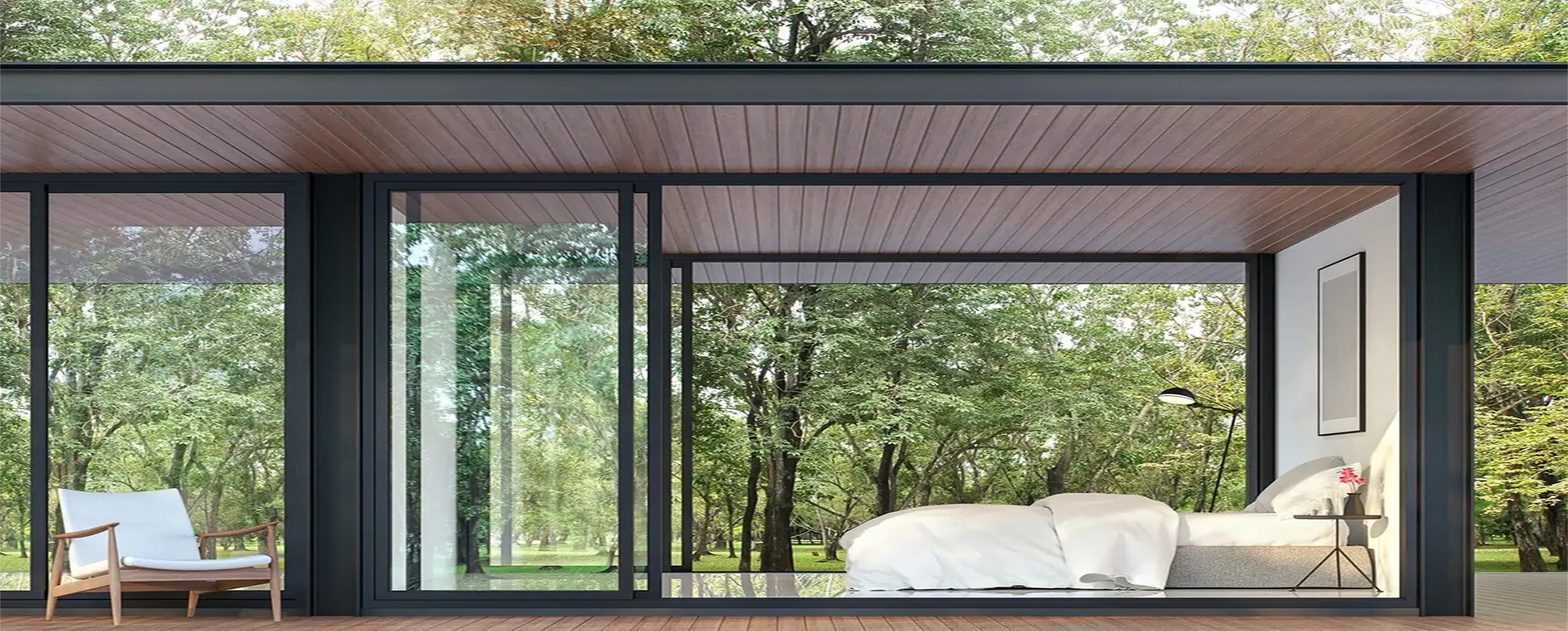
A system with a 20mm sightline creates a breathtaking, almost frameless aesthetic. When closed, it feels less like a door and more like a permanent glass wall, allowing natural light to flood the space with minimal visual obstruction. This is the ultimate expression of minimalism.

2. Space Efficiency & Effortless Operation

The mechanism of a sliding door resolves key challenges posed by bifolds, making it more practical for daily use and smaller spaces.

  • No Stacking Required: Bifold doors require a significant amount of stacking space, whether inside or outside, to accommodate the folded panels. This can interrupt patio furniture layouts or internal traffic flow. Sliding doors, in contrast, glide parallel to the wall, requiring zero additional space for operation. This makes them ideal for balconies, smaller gardens, or rooms where space is at a premium.

  • Simple, Controlled Access: Opening a bifold requires engaging and folding multiple panels and locks. A slimline slider requires one simple movement. For quick access to the garden or for letting in a breath of air, a sliding panel offers far better control—you can open it by just a few inches or fully.

3. Achieving a True Flush Finish

Contemporary design is defined by seamless transitions. Modern sliding systems excel at achieving a completely flush floor level.

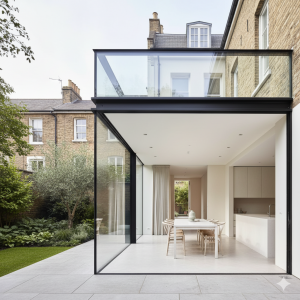
The track of many high-end sliding doors can be recessed into the floor structure, allowing the internal floor finish (like tiles or wood) to run level with the external patio or decking. This barrier-free threshold dramatically blurs the line between your living room and the exterior, creating that highly sought-after indoor-outdoor connection without a step or lip.

Where Does a Slimline Slider Work Best?

While bifolds still have their place when a 100% clear opening is paramount (e.g., in a restaurant or large entertainment space), a slimline slider is the superior choice for most contemporary residential projects:

  • Where the View is King: Coastal properties, homes overlooking a beautiful garden, or any space where the view is the primary design feature.

  • Where Space is Limited: Smaller extensions, rooms leading onto a balcony, or narrow patios where a bifold stack would be intrusive.

  • The Minimalist Aesthetic: For homeowners and architects aiming for an uncluttered, modern, and clean look defined by sharp lines and large glass planes.

  • Cornerless Designs: Ultra-slim systems allow for open corner installations where two glass walls meet and slide away, eliminating the need for a fixed corner post.

The return of the sliding door, spearheaded by ultra-slim systems, is a testament to the fact that sometimes, less is truly more. By eliminating the bulk, contemporary sliders have reclaimed their position as the definitive choice for sophisticated, light-filled architecture.


Are you renovating or building a new extension? We can help you compare the specific slimline systems available to ensure you choose the perfect door for your design vision.

The Power of the 20mm Sightline: How Slimline Doors Revolutionize Your View

In modern architecture, the goal is often to dissolve the barrier between inside and out. It’s about more than just light; it’s about experience. For decades, the frame has been the necessary evil—a bulky structure interrupting the view.

But thanks to ultra-slim systems like the Cortizo Cor Vision, that paradigm is shifting. The secret weapon? An astonishingly slender 20mm sightline.

Here is how this tiny detail is making a massive difference in contemporary design.


1. The Optical Illusion: Creating the “Invisible Wall”

The most immediate and stunning impact of a 20mm sightline is its near-invisibility.

  • Maximum Glass, Minimum Frame: A 20mm profile is roughly the width of a standard smartphone. When you compare this to the 80mm–100mm frame of a traditional patio door, the difference is stark. The frame effectively disappears when viewed from a distance or on an angle.

  • A Painter’s Canvas: By minimizing the vertical obstruction, the frame no longer acts as a series of heavy vertical lines. Instead, it becomes a subtle boundary for the expansive glass, treating the outdoor landscape as a piece of constantly changing, living art. The view takes center stage, uninhibited.

2. Flooding Your Space with Natural Light

While large glass panels are the starting point for maximizing light, the 20mm sightline is the crucial element that ensures no light is lost.

In any glazed system, the amount of natural light entering your home is determined by the Glass-to-Frame Ratio.

  • A Higher Ratio = Brighter Rooms: With an ultra-slim frame, you achieve a higher glass-to-frame ratio. This means your doors bring in significantly more daylight compared to systems with thicker profiles, even if the overall aperture size is the same.

  • The Psychological Lift: This abundance of natural light is known to enhance mood, productivity, and overall well-being. It reduces reliance on artificial lighting during the day, creating brighter, more welcoming, and more energy-efficient spaces.

3. The Seamless Transition: Dissolving the Barrier

The revolution isn’t just about what the doors look like when they’re closed; it’s about what they enable when they’re open. The 20mm sightline works in tandem with other modern features to create a truly seamless transition.

Feature Design Impact
Slim Sightline Makes the structural division disappear, maximizing the open passage.
Flush Track Option Eliminates the raised sill, allowing flooring (like tile or decking) to flow continuously from inside to outside.
Integrated Handle Removes any protruding hardware, ensuring the door remains a flat, elegant surface.

When these elements combine, the door physically and visually vanishes when slid open. The line between your kitchen and your terrace, or your living room and your garden, is dissolved, creating a singular, unified living area. This is the essence of Indoor-Outdoor Living.

4. Architectural Freedom

For architects and designers, the 20mm sightline offers unprecedented freedom:

  • Cornerless Designs: Ultra-slim systems allow for open-corner configurations, where two large glass walls meet and slide away entirely, leaving a post-free, floating corner. The sightline is the only visible element, maintaining structural integrity without compromising the open-air effect.

  • Grand Scale: Because these systems are engineered to carry enormous panes of glass (often up to 400kg or more), the focus shifts from the framework to the sheer scale of the glazing itself. This allows for breathtaking, floor-to-ceiling glass walls.

Conclusion: A Small Detail, A Giant Leap

The 20mm sightline is a triumph of engineering and minimalism. It’s a testament to the idea that sometimes, the best design is the one you barely notice. By stripping the frame back to its absolute functional minimum, slimline sliding doors don’t just provide a view—they create a total sensory experience, fundamentally altering how we connect with the space around us.


Interested in exploring how ultra-slim doors could transform your next architectural project? We can discuss specific configurations, thermal performance, and customization options!

Architectural Considerations When Planning Your Modern Glazed Extension

Modern glazed extensions have become incredibly popular, and it’s easy to see why. They flood your home with natural light, create a seamless connection with your garden, and add a contemporary flair that can completely transform your living space. However, achieving that stunning, light-filled outcome requires careful architectural consideration. It’s not just about slapping some glass onto the back of your house!

Here are some key architectural aspects to ponder when planning your own modern glazed extension:


1. Integration with Existing Architecture: Harmony vs. Contrast


One of the first decisions is how your new extension will relate to your existing home. Do you want it to blend in seamlessly, almost as if it’s always been there, or do you prefer a striking contrast that highlights its modern design?

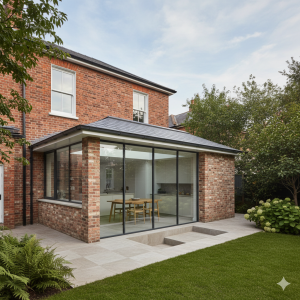
  • Harmonious Integration: This often involves matching materials, rooflines, and window styles of the existing property. For example, if your home has brickwork, you might consider brick elements in your extension, or if your windows have a specific frame color, carrying that through.


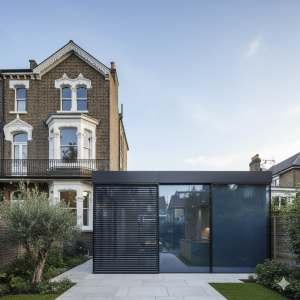
  • Striking Contrast: This approach allows the extension to stand out as a distinct, contemporary addition. This often works well with period properties, where the juxtaposition of old and new can be visually captivating. Think sleek glass and steel against an ornate Victorian facade.


It’s important to consider sightlines from inside and outside your home to ensure the addition enhances, rather than detracts from, your property’s overall aesthetic.


2. Maximizing Natural Light and Views


The primary appeal of a glazed extension is light and connection to the outdoors. Architects are experts in harnessing these elements.

  • Orientation: The direction your extension faces significantly impacts light levels and potential for overheating. South-facing extensions will get the most sun, but may require solar control measures. North-facing extensions offer consistent, diffused light, ideal for studios or offices.
  • Glazing Ratios and Frame Thickness: Modern designs often favor minimal frames to maximize the glass area. Consider slim-profile aluminum or steel frames. Large panes of glass, floor-to-ceiling windows, and even glass roofs can dramatically increase light ingress.


  • Connecting to the Garden: Bi-fold, sliding, or pivot doors can completely open up an entire wall, blurring the lines between indoor and outdoor living. Consider how the internal floor level aligns with your patio or decking for a seamless transition.


3. Thermal Performance and Solar Control


A common misconception is that glazed extensions are always cold in winter and too hot in summer. Modern architectural glazing has come a long way!

  • High-Performance Glazing: Look for double or triple glazing with low-emissivity (low-e) coatings and argon or krypton gas fills. These dramatically improve insulation, keeping heat in during winter and out during summer.
  • Solar Shading: To prevent overheating in sunny extensions, integrate solar shading. This could include external brise-soleil (fixed or adjustable fins), recessed glazing, overhanging eaves, or internal blinds and curtains. Smart glass that can tint automatically is also an option.


  • Ventilation: Good cross-ventilation is crucial. Strategically placed openable windows or rooflights can create a natural airflow, helping to cool the space on warmer days.


4. Structural Considerations and Detailing


Large expanses of glass require careful structural planning.

  • Supporting the Glazing: Modern designs often feature minimal visible structure. This means working with structural engineers to integrate discreet steel frames or clever cantilevered sections that support heavy glass units.
  • Drainage and Weatherproofing: Proper detailing around glass panels, doors, and roof junctions is critical to prevent leaks and ensure longevity. This is where a good architect and experienced builder make all the difference.
  • Thermal Bridging: Where different materials meet (e.g., glass and steel), care must be taken to prevent “thermal bridges” which can cause heat loss and condensation. High-quality thermal breaks are essential.


5. Internal Layout and Flow


An extension shouldn’t feel like an add-on; it should enhance the internal flow of your home.

  • Open Plan vs. Defined Zones: Will your extension be a completely open-plan kitchen-diner-living space, or will you create more defined zones within it? Furniture placement, changes in ceiling height, or different flooring materials can subtly delineate areas.
  • Connection to Existing Rooms: Consider how the new space connects to the rooms it adjoins. Will you knock down walls to create a larger open space, or maintain some separation?
  • Functionality: What will be the primary use of the extension? A kitchen needs different considerations than a living room or a home office.


Conclusion


A modern glazed extension is a significant investment that can dramatically improve your home and lifestyle. By carefully considering these architectural points and working with an experienced architect, you can ensure your new space is not only beautiful but also highly functional, comfortable, and sustainable for years to come.

Best Houseplants for Your Orangery or Glazed Extension in the UK

Best Houseplants for Your Orangery or Glazed Extension in the UK
An orangery or glazed extension is the perfect spot for growing plants, combining natural light with a cozy indoor atmosphere. The high light levels and temperature stability provided by glass extensions offer a unique opportunity to cultivate a variety of houseplants that thrive in this environment. Whether you’re looking to bring a touch of greenery to your home or create a mini indoor jungle, here’s a guide to the best houseplants for your orangery or glazed extension in the UK.

Why Choose Plants for Your Orangery?
Orangeries and glazed extensions are designed to let in plenty of natural light, which creates an ideal environment for many houseplants. The temperature is often slightly warmer than other parts of the house, which helps plants grow faster and more vibrantly. Additionally, the increased humidity and sunlight provide a nurturing atmosphere for plants that prefer bright, sunny conditions.
Benefits of Houseplants in an Orangery:
• Improved Air Quality: Plants naturally purify the air by absorbing carbon dioxide and releasing oxygen.
• Aesthetic Appeal: Adding greenery brings life to the space, creating a fresh and relaxing atmosphere.
• Increased Humidity: Plants help maintain moisture levels, which is especially helpful in winter when indoor air can get dry.

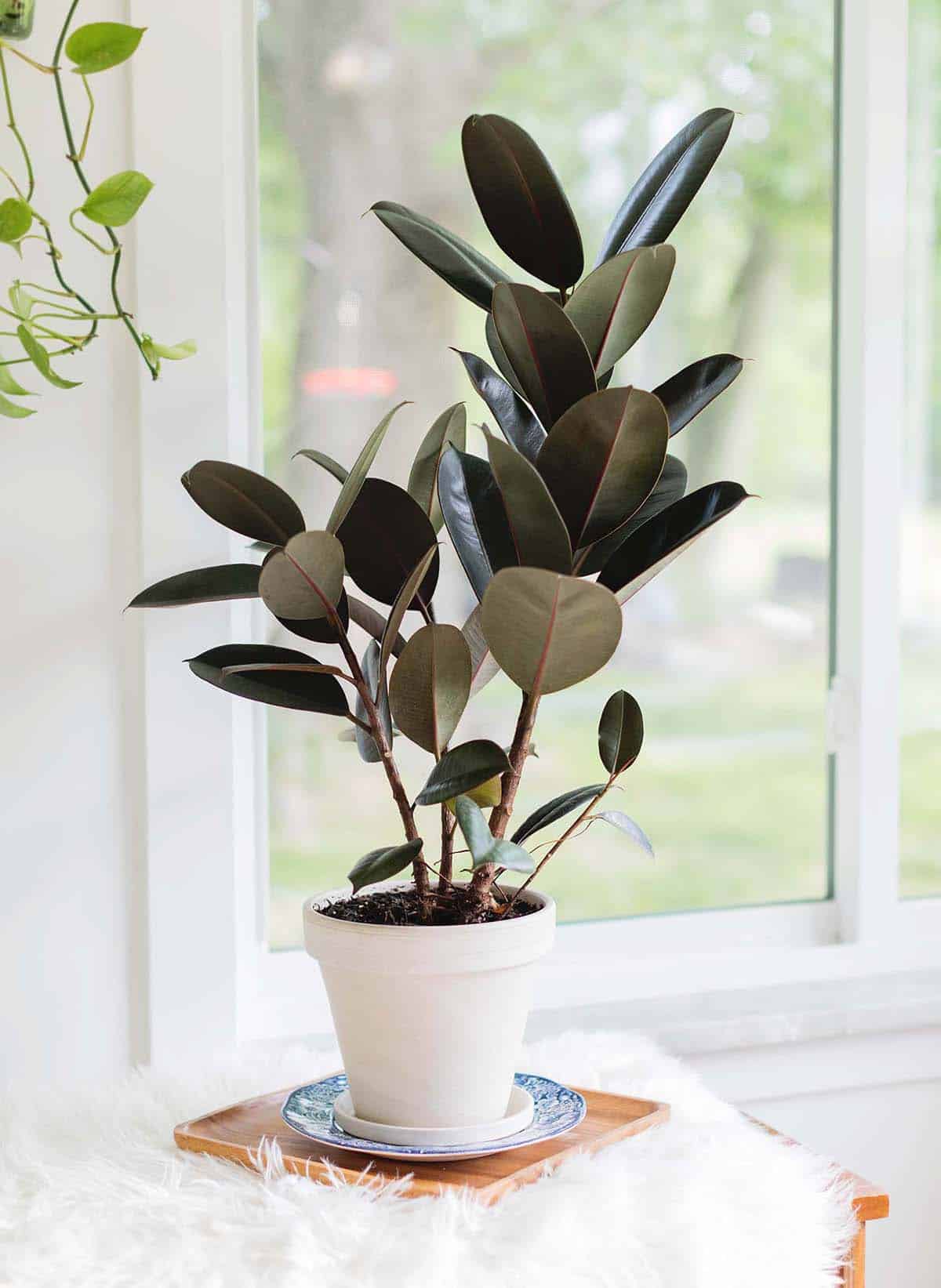
1. Ficus (Ficus elastica) – The Rubber Plant

Rubber Plant


Ficus elastica, or the Rubber Plant, is an ideal choice for a glass extension, thanks to its striking glossy leaves and large size. This plant thrives in bright, indirect light and can tolerate some periods of direct sunlight, making it a great fit for an orangery. The Rubber Plant can grow tall, adding an impressive element to your space, and it’s relatively low-maintenance.
• Light Requirements: Bright, indirect light (can tolerate some direct sunlight)
• Watering: Water when the top inch of soil feels dry
• Care Tips: Keep in a well-draining pot and occasionally wipe leaves with a damp cloth to remove dust.

2. Citrus Trees – Lemons, Oranges, and Limes


Citrus trees are a fantastic choice for an orangery because they love bright, sunny conditions and can tolerate the fluctuating temperatures that come with a glazed extension. The fresh scent of citrus blossoms can fill your space in the spring, and you might even harvest your own lemons, oranges, or limes!
• Light Requirements: Full sun (at least 8 hours of direct sunlight daily)
• Watering: Keep the soil slightly moist, but don’t let it sit in water.
• Care Tips: Provide a well-draining pot and consider rotating the tree occasionally to ensure even growth.

3. Palms – Areca Palm (Dypsis lutescens) and Kentia Palm (Howea forsteriana)

Palm


Palms are elegant, tropical plants that thrive in bright, indirect light—perfect for your orangery. The Areca Palm, in particular, is known for its feather-like fronds and can grow quite large, creating a stunning focal point in any space. Similarly, the Kentia Palm is a slow-growing plant that can live for years, adding a sophisticated, tropical vibe to your extension.
• Light Requirements: Bright, indirect light (avoid direct sunlight which can scorch the leaves)
• Watering: Keep the soil moist but not soggy, especially in the warmer months.
• Care Tips: Dust the leaves regularly and avoid over-watering to prevent root rot.

4. Orchids (Phalaenopsis)


Orchids add an exotic touch to your orangery with their elegant flowers. Phalaenopsis orchids are particularly well-suited for growing in the UK as they prefer warm, humid conditions, which makes a glazed extension the perfect environment. These stunning plants produce long-lasting flowers in vibrant colours like pink, purple, and white, adding a luxurious element to your space.
• Light Requirements: Bright, indirect light
• Watering: Water when the bark is dry, but avoid letting the roots sit in water.
• Care Tips: Ensure good humidity levels (using a humidity tray or misting) and avoid drafts.

5. Succulents – Aloe Vera, Echeveria, and Sedum


Succulents are an excellent choice for a sunny orangery, as they thrive in dry conditions and can tolerate high levels of sunlight. Aloe Vera, with its medicinal properties, and Echeveria, with its rosette formation, are particularly popular. They don’t require much water, making them a perfect low-maintenance option for busy plant owners.
• Light Requirements: Full sun (at least 6 hours of direct sunlight)
• Watering: Water thoroughly but infrequently—allow the soil to dry completely between waterings.
• Care Tips: Use a pot with good drainage and avoid over-watering.

6. English Ivy (Hedera helix)


English Ivy is an adaptable, hardy climber that can thrive in the UK’s varying climates. In your orangery, Ivy will do well in the bright light but can also tolerate lower light conditions, making it a versatile option. Ivy is perfect for hanging baskets or trailing down from shelves and can even be trained to grow along trellises for a vertical garden effect.
• Light Requirements: Bright, indirect light (can tolerate lower light)
• Watering: Keep the soil slightly moist, but allow it to dry out between waterings.
• Care Tips: Prune regularly to control growth and prevent it from becoming too invasive.

7. Aloe Vera

Aloe Vera is not only beneficial for its soothing properties but also makes an attractive addition to an orangery. Known for its fleshy, spiky leaves, Aloe Vera thrives in warm, sunny spaces and is ideal for a glazed extension where light levels are high.
• Light Requirements: Full sun
• Watering: Water thoroughly, but allow the soil to dry completely before watering again.
• Care Tips: Aloe Vera prefers to be left alone, so minimal care is required.

8. Spider Plant (Chlorophytum comosum)

The Spider Plant is a resilient and easy-to-care-for plant that does well in bright or indirect light. Its long, arching leaves and small white flowers add texture and visual interest to your orangery. This plant is also known for being a natural air purifier, helping to keep the indoor environment fresh.
• Light Requirements: Bright, indirect light
• Watering: Water when the soil is dry to the touch.
• Care Tips: Keep in a well-draining pot and occasionally trim off the “spiderettes” to maintain its shape.

9. Fern – Boston Fern (Nephrolepis exaltata)

Ferns, such as the Boston Fern, thrive in humid, bright environments and are ideal for an orangery, where the temperature and moisture levels are often ideal. The soft, feathery foliage of ferns adds texture and volume to your plant collection and works well in both hanging baskets and potted arrangements.
• Light Requirements: Bright, indirect light
• Watering: Keep the soil consistently moist but not soggy.
• Care Tips: Increase humidity by misting or placing a humidity tray underneath the pot.

Conclusion
Your orangery or glazed extension offers a unique opportunity to cultivate a diverse range of houseplants that thrive in bright, natural light and stable temperatures. Whether you prefer lush tropical plants, fragrant citrus trees, or simple succulents, there is something for every type of plant lover. Choose the plants that best fit your space, lifestyle, and personal preferences, and enjoy the beauty and benefits they bring to your home.

Share Your Orangery Greenery!
What are your favourite plants for your orangery or glazed extension? Share your thoughts and photos with us in the comments below! Happy gardening!

Using Glass Doors to Blend Indoor and Outdoor Spaces.

Using Glass Doors to Blend Indoor and Outdoor Spaces

Modern homes have embraced a remarkable design trend – merging indoor and outdoor living through the use of glass doors. This innovative approach not only enhances a property’s aesthetic appeal but also introduces an array of functional benefits like natural light, uninterrupted views, and a more open, engaging lifestyle. By choosing the right design styles and considering key factors, homeowners can create stunning spaces that feel larger, brighter, and effortlessly connected.

Benefits of Using Glass Doors for Indoor-Outdoor Transitions

Glass doors go far beyond being simple entryways – they redefine how we interact with our surroundings, offering both beauty and practicality.

Maximising Natural Light

Glass doors flood interiors with natural light, reducing reliance on artificial lighting during daytime hours. Rooms feel brighter and more inviting, contributing to a positive atmosphere. Bright spaces are not just visually stunning; they’re also proven to improve mood and energy levels. Who wouldn’t want a home that feels like it’s constantly bathed in sunshine?

Expanding Living Spaces

Glass doors create a sense of spaciousness by visually and physically blending indoor and outdoor areas. The barrier between your living room and garden disappears, making your home feel much larger without the need for costly extensions. Hosting a party? Sliding or folding doors can turn your home into one expansive entertaining zone.

Enhancing Views and Aesthetics

A wide glass door frames your outdoor view like a natural, ever-changing artwork. Whether it’s a lush garden, sparkling pool, or scenic landscape, the connection to nature elevates your living experience. Even in smaller homes, this visual continuity boosts the overall design appeal.

Improving Energy Efficiency

Modern glass door technologies enhance insulation with high-performance materials. Double-glazed panels and thermal break frames help maintain indoor temperatures, cutting energy bills. Glass doors not only make your home look radiant, but they’ll also make it energy-smart.

Types of Glass Doors to Consider

Not all glass doors are made equal. Depending on your style, space, and needs, there’s a perfect option for your home.

Sliding Glass Doors

Sliding Aluminium Doors


Sliding glass doors are compact, functional, and ideal for smaller areas. Their sleek profiles fit modern aesthetics while providing an unobstructed view. With a smooth operating mechanism, they’re easy to use and space-saving.

Folding Glass Doors

Folding glass doors, often called bi-fold doors, offer unmatched flexibility. They fold completely to one side, allowing you to open an entire wall. Perfect for merging patios or gardens with living rooms, these doors are an excellent pick for creating a wide, open feel.

French Glass Doors

For those who love a touch of timeless elegance, French glass doors are the way to go. Their symmetrical design and traditional charm make them perfect for classic interiors. Add them to dining rooms or home offices for an upscale vibe.

Multi-Slide Door Systems

These innovative systems are like sliding doors but more advanced. Multiple panels slide effortlessly, stacking to create a complete wall of glass. They’re ideal for expansive homes with panoramic views.

Design Tips for Seamless Indoor-Outdoor Integration

Connecting two spaces isn’t just about adding a door. Thoughtful design plays a pivotal role in creating harmony between indoor and outdoor areas.

Consistent Use of Materials

Using matching materials for flooring, colours, and textures creates a natural flow. Imagine extending your wooden floor from the living room into the patio – seamless and cohesive.

Creating Functional Outdoor Rooms

Transform your outdoor space into usable areas; patios for dining, pergolas for lounging, or an outdoor kitchen for family cookouts. Defined zones make the connection feel purposeful, not random.

Incorporating Nature Elements

Bring nature indoors with potted plants or vertical gardens. Similarly, enhance your outdoor space with lush landscaping, water features, or even simple touches like potted flowers.

Strategic Lighting and Heating

Good lighting ensures your outdoor areas are useable during evenings. String lights or spotlights add ambience. For cooler seasons, outdoor heaters ensure the space remains comfortable.

Considerations Before Installation

Before diving into this exciting project, there are some important factors to keep in mind to avoid pitfalls.

Assessing Climate and Weather

Climate influences material choices. If you live in an extreme weather zone, opt for highly insulated glass and durable frames that can withstand the conditions.

Choosing the Right Glass and Frames

High-quality glass ensures safety and energy efficiency. Look for tempered or laminated glass, and pair it with durable aluminium or fibreglass frames for longevity.

Professional Consultation

Designing with glass doors is an art. Consult architects or professional designers to ensure structural integrity, style harmony, and proper installation. Their expertise can save time, money, and hassle.

Conclusion

Glass doors are a stylish addition that can completely transform your living experience. They offer a unique way to blend your indoor and outdoor spaces while adding value to your home. From boosting natural light to enhancing views and energy efficiency, the benefits are countless. By choosing the right type and design, and following thoughtful integration tips, you can create a home that feels expansive, connected, and inspiring.

Why wait? Explore the possibilities and bring the inside out!

How Glass Sliding Doors Can Improve Natural Light in Any Room

How Glass Sliding Doors Can Improve Natural Light in Any Room

Natural light is one of the simplest ways to breathe life into a room. It affects everything from mood to energy efficiency. Glass sliding doors, with their broad, transparent surfaces, are an excellent way to maximize natural sunlight in your home. Here’s how they transform spaces, enhance comfort, and add aesthetic appeal.

The Role of Natural Light in Home Design

Natural light isn’t just a design choice—it’s a necessity for creating welcoming, comfortable living spaces. It enhances the colors, textures, and depth of your interiors, making each corner feel more vibrant and alive.

Health and Wellness Benefits

Did you know that sunlight can improve your health? Exposure to natural light helps your body produce Vitamin D, which supports strong bones and a healthy immune system. Sunlight also helps regulate mood, reducing stress and fighting seasonal depression. A study described by Healthline even shows how consistent sunlight positively affects sleep patterns and overall well-being.

Energy Efficiency Advantages

Sunlight is free—and it’s powerful. By designing spaces that take advantage of natural light, you can cut down on electricity costs. According to the U.S. Department of Energy, daylighting reduces the need for artificial illumination and heating during colder seasons. Glass sliding doors, which allow abundant sunlight, play a crucial role in energy-efficient homes.

Why Choose Our Bi-Fold Windows


How Glass Sliding Doors Enhance Natural Light

Glass sliding doors are more than a functional element—they are a design statement. Here’s how they amplify natural light in your interiors.

Maximizing Light Entry

The expansive glass panels in sliding doors allow uninterrupted sunlight to stream into your home. Compared to smaller windows, they create a larger opening for daylight, brightening even the most dimly lit corners.

Creating Seamless Indoor-Outdoor Flow

Sliding doors blur the boundary between inside and outside. The visual connection they provide with nature enhances the perception of light and space, making rooms appear larger. This concept, emphasized by Toll Brothers, can turn any home into a sanctuary of openness and tranquility.

Reflection and Light Distribution

Glass is naturally reflective, and sliding doors distribute sunlight across the room. When combined with light-colored walls or flooring, the effect is even more impactful, filling rooms with an inviting glow throughout the day.

Choosing the Right Glass Sliding Doors

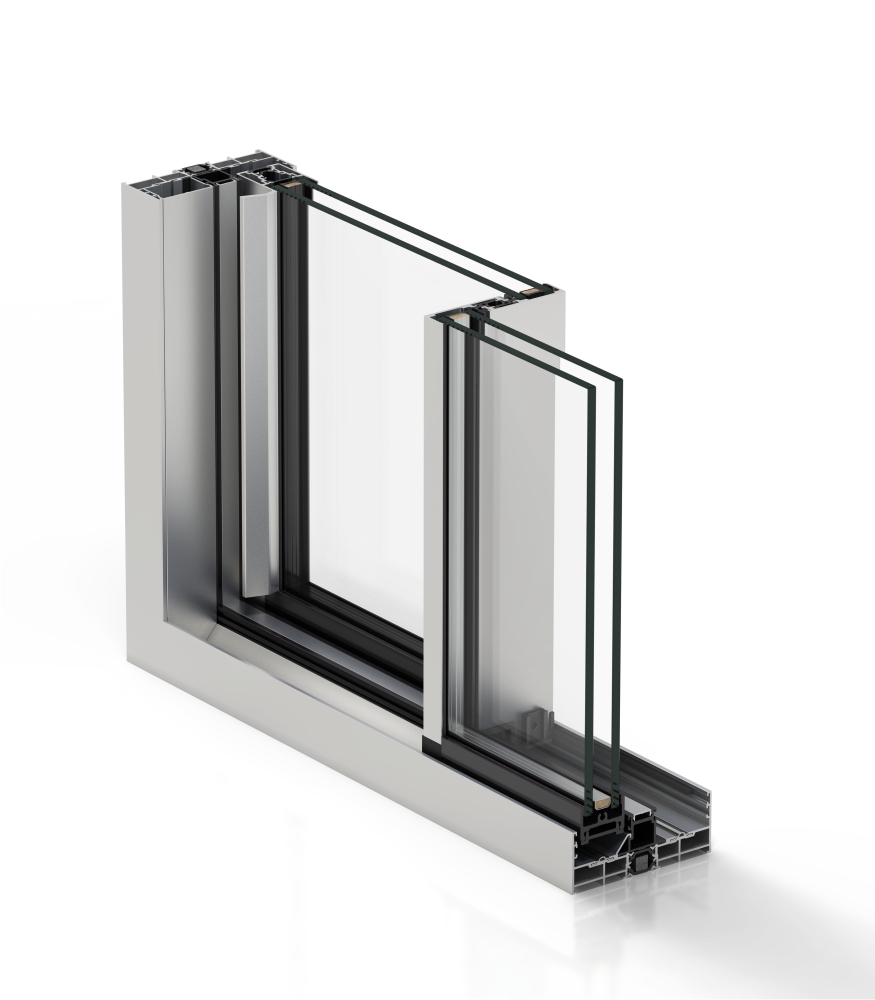
Cor Vision Technical Details

The right sliding doors not only add light but also elevate the overall style and energy efficiency of your home. Here’s how to select the perfect ones for your space.

Consider Glass Transparency

Different types of glass affect light levels. Clear glass offers maximum brightness, while frosted or tinted options diffuse illumination for privacy.

Frame Materials and Colors

The frame can make or break your design. Aluminum and vinyl frames are durable and can harmonize with modern aesthetics. For a more classic or rustic feel, consider wooden frames that subtly emphasize natural light.

Glazing Options for Efficiency

Double or triple glazing is ideal for insulation while letting sunlight in. Energy-efficient glazing minimizes heat loss and blocks harmful UV rays.

Styling Tips to Maximize Benefits

Nu-Scene Cor-Vision Sliding Door Installations

To fully enjoy the perks of sliding doors, integrate them seamlessly with your interior decor and layout.

Complementing Decor with Minimalist Design

Sliding doors with clean lines effortlessly blend into any decor. A minimalist approach emphasizes openness without overwhelming the eye, letting light take center stage.

Utilizing Sheer Curtains or Blinds

Light, airy curtains can add privacy while ensuring sunlight filters through. Sheer blinds are a great way to balance functionality with aesthetics.

Positioning Mirrors and Reflective Surfaces

Strategic placement of mirrors can double the light flow in a room. Position a mirror opposite your sliding door to enhance brightness and create a more dynamic sense of space.

Conclusion

Glass sliding doors are not simply a design choice—they invite natural light to transform your living spaces. From improving your mood and energy efficiency to creating seamless connections with the outdoors, these doors are an investment in style, comfort, and sustainability. Consider adding them to your next home project for a brighter, more open living experience.

How to Maintain Your Sliding Glass Doors

Sliding glass doors can be a great addition to your home, giving you a nice view and easy access to the outdoors. But, like anything else, they need some care to keep them working right. If you’ve ever struggled with a door that sticks or doesn’t slide smoothly, you know how annoying it can be. Luckily, with a little regular maintenance, you can avoid these common problems and keep your doors in top shape.

Key Takeaways

  • Regular cleaning is essential to prevent buildup that can cause doors to stick.
  • Lubricating the tracks properly can ensure smooth sliding action.
  • Inspect door components regularly to catch wear and tear early.
  • Address common problems like misalignment and sticking promptly to avoid bigger issues.
  • Enhancing door security can prevent unwanted entry and give peace of mind.

Regular Cleaning and Maintenance of Sliding Glass Doors

Cleaning the Glass for Clarity

Keeping your sliding glass doors sparkling clean isn’t just about aesthetics; it’s about functionality too. Regular cleaning of the glass is essential to prevent mineral buildup. A simple mixture of vinegar and water or a glass cleaner should be used at least once a week for optimal maintenance. This not only keeps the glass clear but also prevents dirt from embedding in the tracks.

  • Mix equal parts of vinegar and water in a spray bottle.
  • Spray the solution generously on the glass.
  • Wipe with a lint-free cloth or newspaper for a streak-free finish.

Regular cleaning helps to maintain the transparency of your sliding doors, letting in more natural light and keeping your view unobstructed.

Wiping Down the Door Frame

The door frame, whether wood or metal, requires attention to prevent weathering. For wooden frames, use a mild soap solution to avoid stripping the wood’s natural oils. After cleaning, consider applying a thin layer of wood polish to preserve the finish. Metal frames, like aluminum, may develop oxidation, which, while protective, can be unsightly.

  • Dust the frame lightly.
  • Wash with warm, soapy water.
  • Dry thoroughly with a clean cloth.

Avoid harsh chemicals that can damage the finish of your frames. For aluminum, a mild soap and water mix is sufficient, followed by drying with a clean cloth.

Vacuuming and Washing the Tracks

Tracks can quickly become a collection point for debris, affecting the door’s operation. Regular cleaning is necessary to ensure smooth sliding.

  1. Use a vacuum cleaner to remove loose dirt and debris from the tracks.
  2. Wash the tracks with a warm, soapy water solution.
  3. For stubborn grime, use a butter knife or an old toothbrush to clean grooves and hard-to-reach areas.

Keeping the tracks clean prevents the door from sticking and reduces wear on the rollers. Consistent maintenance of the tracks not only enhances the door’s performance but also prolongs its lifespan.

Lubrication Techniques for Smooth Operation

Choosing the Right Lubricant

Selecting the correct lubricant is crucial for keeping your sliding glass doors moving effortlessly. Silicone-based lubricants are highly recommended because they do not attract dirt and grime, unlike oil-based options which can become sticky over time. When choosing a lubricant, ensure it’s safe for the material of your door tracks, especially if they are aluminum, as some lubricants can cause damage.

Applying Lubricant to Tracks

Once you’ve chosen the right lubricant, applying it is straightforward but requires a bit of attention to detail. First, make sure the tracks are clean. Use a vacuum to remove loose debris, then wipe down with soapy water and dry thoroughly. Apply a small amount of the lubricant directly to the tracks, not the rollers, to maintain smooth movement. Remember, a little goes a long way—over-lubricating can attract more dirt, leading to more frequent cleaning.

Avoiding Common Lubrication Mistakes

When it comes to lubrication, there are a few common pitfalls to avoid. Don’t use WD-40 or other oil-based products, as they can gum up the works. Avoid applying lubricant to dirty tracks; always clean them first to prevent trapping debris. Lastly, don’t overlook the rollers. Although the tracks often get the spotlight, the rollers need attention too. Regular inspection and lubrication can prevent premature wear and tear.

Inspecting and Replacing Door Components

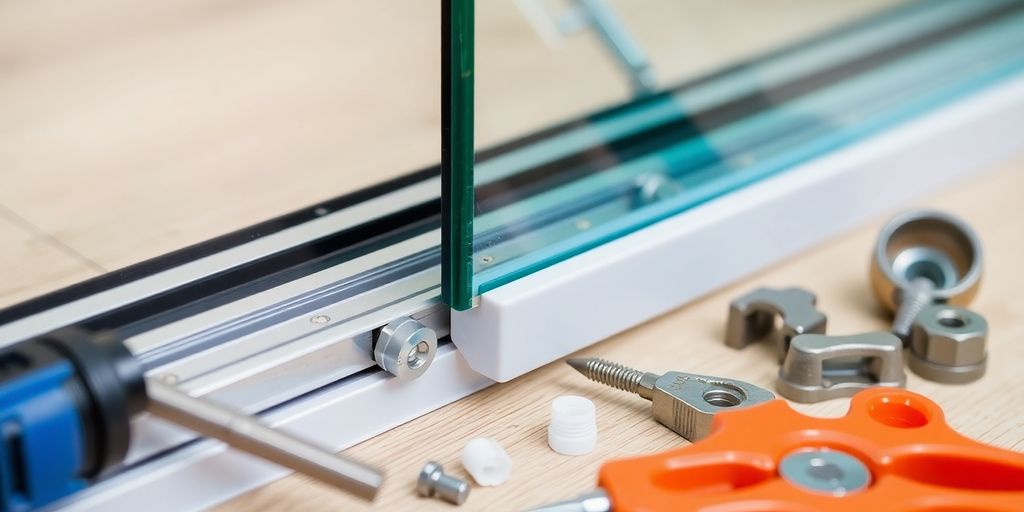
Close-up of sliding glass door components and tools.

Checking the Rollers for Wear

Rollers are the unsung heroes of your sliding glass door, quietly ensuring smooth movement. But over time, they can wear out, causing your door to stick or become difficult to open. Regularly inspecting these rollers is key. To check them, you might need to remove the door from its tracks. Look for signs of wear like flat spots or damage. If the rollers are simply dirty, a good clean and some lubrication might do the trick. However, if they’re damaged, replacing them is the only option. Make sure to align the rollers correctly when reinstalling, as proper alignment ensures smooth operation.

Replacing Worn-Out Weatherstripping

Weatherstripping plays a vital role in keeping your home insulated and free from drafts. Over time, it can become brittle or worn out, reducing its effectiveness. To replace it, first remove the old strips, ensuring you clean the surface thoroughly to remove any residue or dirt. Then, install new weatherstripping, making sure it aligns properly with the door frame. This simple step can improve your home’s energy efficiency significantly.

Aligning Door Panels Correctly

A misaligned door can cause a host of problems, from sticking to uneven gaps that let in drafts. Misalignment often occurs due to heavy use, foundation shifts, or even improper installation. To check alignment, look at the gap between the door and frame; it should be even. If not, adjust the roller screws located at the bottom or top of the door. Use a screwdriver to tweak these screws until the door moves smoothly without catching. This ultimate guide offers more tips on fixing sliding glass doors and ensuring they operate smoothly.

Addressing Common Sliding Glass Door Problems

Dealing with Sticking Doors

Sliding doors that stick can be super annoying. The main culprit? Dirt and debris clogging up the tracks. Every time you vacuum your house, take a moment to clean out those tracks. A small brush attachment or a handheld vacuum works wonders. After cleaning, apply a bit of lubricant to keep things moving smoothly. If the door still gives you trouble, it might be time to check the rollers. They could be rubbing against the track due to wear.

Fixing Misaligned Doors

Misalignment often happens when the rollers at the bottom of the door wear down. This causes the door to drag on the track. To fix this, locate the adjusting screws at the bottom of your door. Turn them clockwise to lift the door off the track. If it doesn’t help, try turning them the other way. With a bit of tweaking, your door should glide smoothly again.

Handling Worn-Out Rollers

Rollers don’t last forever. Over time, they can become damaged or rusty, making your door hard to open. If cleaning and lubricating don’t do the trick, you might need to replace them. When replacing, make sure the new rollers are aligned correctly. Adjust the screws until the door moves without a hitch.

Regular maintenance can save you from bigger headaches later on. When you spot minor issues, tackle them early to keep your sliding glass doors in top shape. Check rollers, inspect weather stripping, and ensure everything is aligned to prevent drafts and moisture from sneaking in. Keeping up with these simple tasks can extend the life of your doors significantly.

Enhancing the Longevity of Sliding Glass Doors

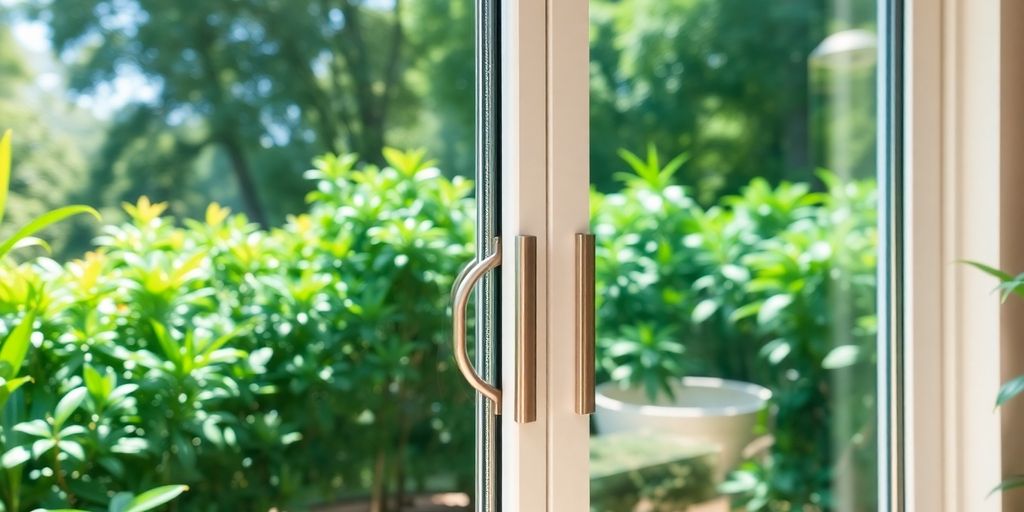
A clean sliding glass door in a garden setting.

Protecting Wooden and Metal Frames

Keeping your sliding glass doors in tip-top shape isn’t just about the glass; the frames need some love too. Wooden frames, for instance, can take a beating from the weather. To keep them looking sharp, it’s a good idea to re-varnish them once you notice the finish starting to fade. Metal frames, on the other hand, require regular cleaning to fend off rust. A simple wipe down with a damp cloth can do wonders.

Preventing Track Debris Build-Up

The tracks are the unsung heroes of your sliding doors. They bear the brunt of dirt, dust, and debris, which can mess with the door’s smooth operation. Regular cleaning is key. Start by vacuuming up loose dirt and then scrub the tracks with warm, soapy water. A toothbrush can help get into those hard-to-reach spots. Remember, a clean track means a smoothly sliding door.

Regularly Checking Door Alignment

Even the best sliding doors can get a bit out of whack over time. Misalignment can make your door hard to open or close and might even cause damage. To keep things running smoothly, check the alignment every few months. If you notice any issues, adjust the rollers or the frame to get things back on track. A little tweak here and there can save you from bigger headaches down the line.

Taking the time to maintain your sliding glass doors not only keeps them looking good but also saves you money in the long run by avoiding costly repairs. It’s all about the little things that add up to a big difference.

By keeping up with these simple steps, you can ensure your sliding glass doors stay functional and attractive for years to come. If you need more tips on keeping your doors in top shape, consider cleaning the tracks regularly to prevent dirt buildup and ensure smooth operation.

Improving Security of Sliding Glass Doors

Installing Additional Locks

Sliding glass doors can often be a weak point in home security. Adding extra locks is a simple yet effective way to boost security. Consider installing a double-bolt lock or a security bar that runs along the bottom of the door. These locks make it much harder for anyone to force the door open. Another option is a foot-operated lock that secures the door from the inside, adding an extra layer of protection.

Using Security Bars

Security bars are an excellent addition to sliding glass doors. They act as a physical barrier, preventing the door from being opened even if the lock is compromised. You can find adjustable security bars that fit snugly into the door track. Some models come with an alarm that sounds if someone tries to tamper with the door. These bars are easy to install and provide peace of mind.

Reinforcing Glass Panels

For those especially concerned about break-ins, reinforcing the glass panels is a wise step. Consider applying a security film or upgrading to shatterproof glass to make the panels more resistant to impact. This not only makes it difficult for intruders to break the glass but also reduces the risk of injury from broken shards. Reinforced glass is a smart investment in the safety of your home.

Sliding glass doors may look appealing, but they can be a target for intruders. By taking a few extra steps, you can significantly enhance your home’s security.

Incorporating these security measures can greatly reduce the risk of unauthorized entry through your sliding glass doors. Whether it’s adding locks, using security bars, or reinforcing the glass, each step contributes to a safer and more secure home environment.

Wrapping Up: Keeping Your Sliding Doors in Top Shape

So, there you have it! Taking care of your sliding glass doors isn’t rocket science, but it does need a bit of attention now and then. By keeping them clean, checking the tracks, and making sure everything’s aligned, you can avoid those annoying sticky situations. Plus, a little maintenance here and there can save you from bigger headaches down the road. Remember, a smooth-sliding door not only looks good but also makes life a tad easier. So, set a reminder, grab your cleaning tools, and give those doors the TLC they deserve. Happy sliding!

Frequently Asked Questions

How often should I clean my sliding glass door?

It’s a good idea to clean your sliding glass door every month to keep it in top shape. Regular cleaning helps prevent dirt and grime from building up, which can make the door stick.

What type of cleaner should I use for the glass?

Use a regular glass cleaner and a soft cloth to clean the glass. Avoid harsh chemicals that might damage the surface.

Why is my sliding door sticking?

A sticking sliding door is often caused by dirt and debris in the tracks. Regular cleaning and proper lubrication can help fix this problem.

How can I make my sliding door more secure?

Adding extra locks or using a security bar can make your sliding door more secure. These additions help prevent unwanted entry.

What should I do if the door rollers wear out?

If the rollers wear out, you might need to replace them. Check for signs like the door not sliding smoothly or making noise, and replace the rollers if necessary.

Can I use any lubricant on the tracks?

No, it’s best to use a silicone-based lubricant for sliding door tracks. Avoid oil-based lubricants as they can attract dirt and cause more sticking.