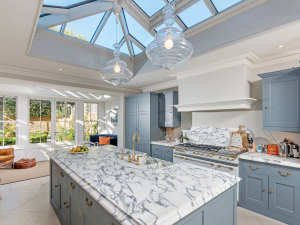
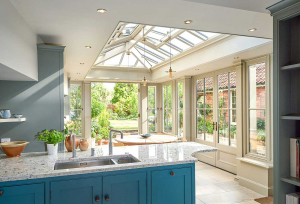
Best Tools and Products to use to Clean your Roof Lantern?

So, you’ve got a roof lantern, eh? They’re brilliant for letting in loads of natural light, really open up a room. But, like anything else, they get a bit grubby over time. Especially with our lovely British weather, all that rain and sometimes even a bit of sun can leave them looking a bit sad. Don’t worry though, giving your roof lantern a good clean isn’t as hard as it might seem. We’ll walk you through the best bits of kit and how to use them to get your roof lantern sparkling again.

Key Takeaways

  • Always put safety first when cleaning your roof lantern, especially when working at height.
  • Use gentle cleaning products and soft cloths to avoid scratching the glass or damaging the frame.
  • Cleaning on a cloudy day helps prevent streaks and makes the job easier.
  • Regular cleaning stops dirt and grime from building up, keeping your roof lantern looking good.
  • Don’t be afraid to get help if you’re not comfortable cleaning your roof lantern yourself.

1. Ladder

When tackling the exterior of your roof lantern, a sturdy ladder is your best mate. It’s all about reaching those tricky spots safely. Don’t even think about attempting this without one.

  • Make sure your ladder is tall enough to comfortably reach the roof lantern. Overreaching is a recipe for disaster.
  • Check the ladder’s weight capacity. You, your cleaning gear, and any extra weight need to be within the limit.
  • Always place the ladder on a stable, level surface. Wobbly ladders are a big no-no.

Before you even think about climbing, give the ladder a good once-over. Look for any signs of damage – cracks, loose rungs, anything that looks dodgy. If it’s not up to scratch, don’t use it. It’s better to be safe than sorry.

Consider an aluminium ladders for the job, they are lightweight and easy to move around.

2. Non-Abrasive Sponge

When it comes to cleaning your roof lantern, you need to be careful about the materials you use. A non-abrasive sponge is essential to avoid scratching or damaging the glass or frame. You wouldn’t want to ruin the finish, would you?

Think of it like this: you’re giving your roof lantern a gentle spa treatment, not scrubbing a dirty pan. Using the wrong type of sponge can lead to unsightly scratches and reduce the lifespan of your lantern.

Here’s why a non-abrasive sponge is the way to go:

  • It’s gentle on the glass and frame.
  • It effectively removes dirt and grime without causing damage.
  • It helps to maintain the clarity and appearance of your roof lantern.

I once used a scouring pad on a window frame (not a roof lantern, thankfully!) and it was a disaster. The scratches were so bad, I had to get the frame replaced. Lesson learned: always use a non-abrasive sponge!

So, grab yourself a soft, non-abrasive sponge and get ready to give your roof lantern the TLC it deserves. You’ll be amazed at the difference it makes.

3. Glass Cleaning Product

Choosing the right glass cleaning product is key to achieving a streak-free shine on your roof lantern. You don’t want to use anything too harsh that could damage the glass or the frame.

  • Always opt for a product specifically designed for glass.
  • Avoid anything with abrasive particles, as these can scratch the surface.
  • Consider using de-ionised water; it’s great for avoiding streaks.

I’ve found that a simple solution of warm water and a tiny bit of mild detergent can work wonders, especially for light dirt. Just make sure to rinse thoroughly afterwards to remove any residue.

For tougher stains, a dedicated glass cleaner is your best bet. There are plenty of good quality branded glass-cleaning products available. Just be sure to read the label and follow the instructions carefully. Some people swear by Zep Hose-end Streak-free for outdoor windows, but always test in an inconspicuous area first. Remember, the goal is to clean, not to cause damage. If you have self-cleaning glass, like the ones at GFD Homes, you might not need to clean it as often, but it’s still good to have a glass cleaner on hand for occasional touch-ups.

4. Warm Soapy Water

Warm soapy water is a simple yet effective cleaning solution for your roof lantern. It’s gentle enough to avoid damaging the glass or frame, but strong enough to lift dirt and grime. Using warm water helps to dissolve dirt more effectively than cold water, and the soap acts as a surfactant, reducing the surface tension of the water and allowing it to spread more easily across the surface.

Here’s how to prepare and use warm soapy water:

  1. Fill a bucket with warm water. Make sure it’s not too hot, as this could potentially damage the glass or be uncomfortable to work with.
  2. Add a small amount of mild dish soap to the water. Avoid using too much soap, as this can leave a residue that’s difficult to rinse off.
  3. Mix the water and soap together until you have a sudsy solution.
  4. Apply the soapy water to the roof lantern using a non-abrasive sponge or micro-fibre cloth. Gently scrub the surface to remove dirt and grime.
  5. Rinse the roof lantern thoroughly with clean water to remove any soap residue. A hose with a gentle spray nozzle works well for this.

Remember to always test your cleaning solution on a small, inconspicuous area of the roof lantern first to ensure that it doesn’t cause any damage or discolouration. This is especially important if you’re using a new or unfamiliar cleaning product.

For the exterior frame, remember to use a non-abrasive sponge to avoid scratches. Regular cleaning of your roof lantern will help maintain its appearance and allow more natural light to flood into your home. Don’t forget to clean the rooflight top gutter to prevent blockages and potential leaks.

5. Micro-Fibre Cloth

Micro-fibre cloth wiping glass

Micro-fibre cloths are your best mate when it comes to streak-free cleaning. They’re super absorbent and won’t leave any lint behind, unlike some other cloths or paper towels. Always use a clean micro-fibre cloth to avoid transferring dirt back onto the glass.

  • Use a fresh cloth for each cleaning session.
  • Wash micro-fibre cloths regularly to maintain their effectiveness.
  • Avoid using fabric softener when washing, as it can reduce their absorbency.

I’ve found that a good quality micro-fibre cloth makes all the difference. It really helps to get that crystal-clear finish on the roof lantern, especially after using a cleaning solution. Plus, they’re reusable, which is a bonus!

6. Duster

Okay, so you’ve got the big stuff sorted, but what about those little bits of dust and cobwebs that seem to cling to every corner of your roof lantern? That’s where a good duster comes in.

  • A long-handled duster is your best friend here, especially if you’re not keen on getting too close to the glass.
  • Make sure it’s got a soft head to avoid scratching anything.
  • Give the frame a good once-over, paying attention to any grooves or edges where dirt likes to hide.

I find that a quick dusting every couple of weeks makes a huge difference in keeping the lantern looking its best. It stops the build-up of grime and means you don’t have to do a full-on clean as often.

For those really hard-to-reach spots, you might want to consider a duster with an extendable handle. It’s a game-changer!

7. Hose

A garden hose is surprisingly useful for cleaning your roof lantern. It’s great for rinsing away loose dirt and debris before you start scrubbing, and for washing away any soapy residue afterwards. Using a hose can save you a lot of time and effort compared to using buckets of water.

  • Make sure you use a hose with adjustable spray settings. A gentle spray is best to avoid damaging the glass.
  • Avoid using a high-pressure setting, as this could force water under the seals of the lantern and potentially cause leaks.
  • If you have hard water, consider using a water philtre attachment for your hose to prevent water spots. You can also buy a commercial grade rubber hose for better durability.

A quick rinse with the hose before and after cleaning can make a big difference. It helps to loosen stubborn dirt and ensures that no cleaning product residue is left behind, leaving your roof lantern sparkling.

8. Soft Brush

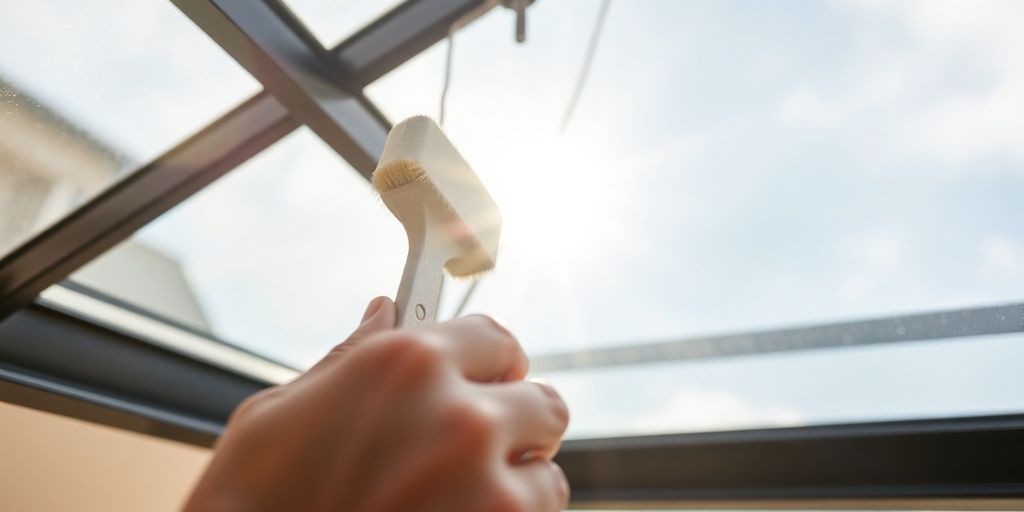
Soft brush cleaning a roof lantern. Sunlight glinting.

A soft brush is your friend when it comes to dislodging loose debris without scratching the surface of your roof lantern. It’s especially useful for getting into those hard-to-reach corners and edges where dirt and grime tend to accumulate. Think of it as a gentle sweep, not a vigorous scrub. You want to coax the dirt away, not force it.

Using a brush with soft bristles ensures you won’t damage the glass or frame. I’ve seen some people try using stiff brushes, and trust me, it’s a recipe for disaster. Scratches are not what you want! A good quality soft brush will make the job much easier and safer. You can even get brushes with extendable handles to reach higher areas without needing to overstretch or lean too far. This is especially useful if you’re not comfortable on a ladder. For removing roof debris, this is a great tool to use.

A soft brush is a simple but effective tool for keeping your roof lantern clean. Regular light brushing can prevent build-up and keep your lantern looking its best for longer.

Here’s a few things you can do with a soft brush:

  • Remove loose leaves and twigs.
  • Dust away cobwebs.
  • Loosen stubborn dirt before washing.

9. Squeegee

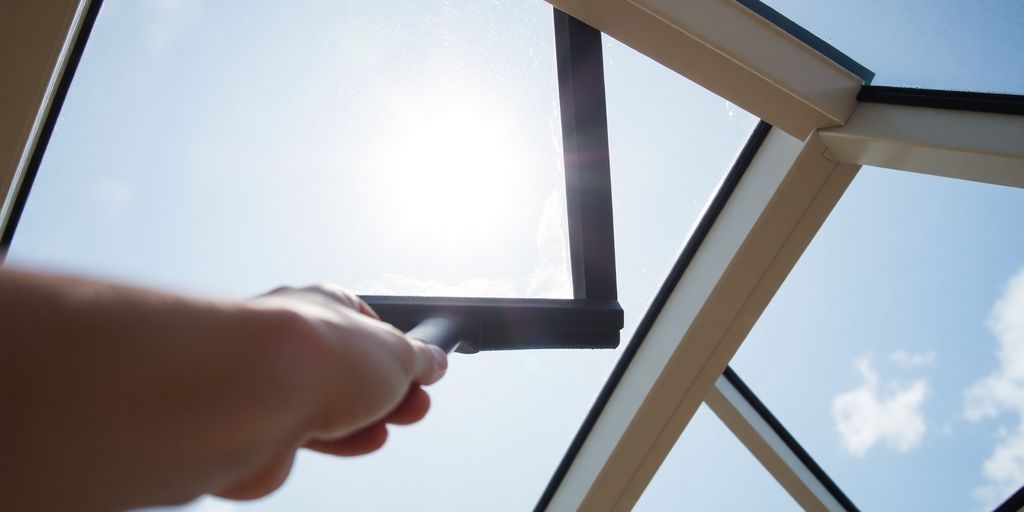
Man using squeegee on roof lantern.

A squeegee is your best friend when it comes to achieving a streak-free finish on your roof lantern. After washing the glass, a squeegee helps to remove excess water quickly and efficiently. It’s a simple tool, but it makes a huge difference to the final result.

  • Choose a squeegee with a soft, flexible rubber blade. This will ensure it glides smoothly over the glass without scratching it.
  • Overlap each stroke slightly as you work your way across the surface. This prevents any watermarks from being left behind.
  • Wipe the blade clean after each stroke to avoid spreading dirt or grime.

Using a squeegee properly can drastically reduce the amount of water spots and streaks, leaving your roof lantern looking crystal clear. It’s a small investment that pays off big time in terms of appearance and effort saved.

For best results, use the squeegee in combination with a glass cleaning product and a micro-fibre cloth. This will give you a professional-looking finish every time. Regular cleaning is key to maintaining the clarity of your roof lantern, and a squeegee is an indispensable part of that process. Don’t underestimate the power of this simple tool!

10. Garden Gloves

Okay, so maybe this one seems obvious, but trust me, you don’t want to skip it. Cleaning a roof lantern can get a bit messy, and you might encounter some sharp edges or rough surfaces. Garden gloves are your best friend here.

  • Protects your hands from dirt and grime.
  • Offers a better grip, especially when things get slippery.
  • Prevents scratches and cuts from any unexpected sharp bits.

I remember one time I thought I could get away without gloves. Big mistake! Ended up with a nasty scratch and a whole lot of regret. Now, gloves are always on my list.

It’s worth investing in a decent pair of garden gloves Ironclad General Utility Work Gloves that fit well and offer good protection. You’ll be thanking me later!

Wrapping It Up: Keeping Your Roof Lantern Sparkling

So, there you have it! Keeping your roof lantern clean might seem like a bit of a chore, but it’s really worth it for all that lovely natural light. Just remember to be safe, use the right bits and bobs, and don’t rush it. A little bit of regular cleaning goes a long way to making sure your lantern stays looking great and doing its job properly. And if you’re ever feeling a bit unsure, or those high-up spots are just too much, there’s no shame in calling in a professional. They’ve got all the gear and know-how to get it done safely and without a fuss.

Frequently Asked Questions

How often should I clean my roof lantern?

It’s a good idea to clean your roof lantern every two to three months. This helps keep it looking great and lets in the most natural light. If you live in an area with lots of trees or pollution, you might need to clean it more often.

Do I still need to clean roof lanterns with self-cleaning glass?

Yes, even roof lanterns with self-cleaning glass need a little help now and then. While they do a lot of the work themselves, a quick rinse with a hose or a gentle wipe can help remove any stubborn dirt or bird droppings that might stick around.

What’s the best weather for cleaning my roof lantern?

You should pick a cloudy or overcast day to clean your roof lantern. If the sun is too bright, the water and cleaning products can dry too quickly, leaving behind streaks and spots that are hard to get rid of.

What cleaning products are safe to use on my roof lantern?

For the inside, a mild glass cleaner and a soft cloth work well. For the outside, you’ll want warm, soapy water and a non-scratch sponge. Always avoid harsh chemicals or rough scrubbers, as these can damage the glass or the frame.

What safety steps should I take when cleaning my roof lantern?

Before you start, make sure you have a sturdy ladder and someone to help you. Never stand or lean directly on the roof lantern itself. If you’re not comfortable working at heights, it’s always best to hire a professional cleaner.

Why does my roof lantern get so dirty?

Roof lanterns can get dirty from all sorts of things. Outside, you’ll find dust, leaves, pollen, and bird droppings. Inside, cooking fumes or just everyday dust can leave a film on the glass. Regular cleaning helps prevent these things from building up.

Adding Glass Doors to a Period Property

Installing bi-fold doors in a listed property in the UK can be a great way to enhance your living space. However, it’s important to understand the unique challenges that come with working on these historically significant buildings. From planning permission to material choices, there are several factors to consider to ensure your project complies with local regulations and maintains the property’s character. This guide will walk you through the essential steps to successfully install bi-fold doors while respecting the heritage of your home.

Key Takeaways

  • Installing bi-fold doors in listed buildings often requires planning permission.
  • Consult your local authority early in the process to understand specific regulations.
  • Material choices are crucial; traditional materials like timber are often preferred.
  • Permitted development rights may allow some changes without needing permission.
  • Always prioritize safety and compliance with building regulations during installation.

Understanding Listed Buildings and Glass Doors

Definition of Listed Buildings

So, what exactly is a listed building? Well, it’s a building that’s been put on a special register because it’s considered to be of historical or architectural importance. This means it’s protected by law, and you can’t just go making changes without getting permission first. Think of it like this: these buildings are part of our history, and we want to make sure they stick around for future generations.

Here are some things to keep in mind:

  • They can be houses, shops, or even public buildings.
  • You’ll probably need special permission to change them.
  • The goal is to keep the building’s original look and feel.

Importance of Preservation

Preserving listed buildings is super important. It’s not just about keeping old buildings around; it’s about protecting our heritage and the stories these buildings tell. These buildings give us a peek into the past, showing us how people lived and worked. Plus, they add a unique charm to our towns and cities. When we preserve them, we’re keeping a piece of history alive. If you are planning any changes, it’s important to understand the planning regulations involved.

Here’s why it matters:

  • They connect us to the past.
  • They make our communities unique.
  • They can even boost tourism.

Types of Listed Buildings

Not all listed buildings are created equal. There are different grades of listing, which basically show how important the building is considered to be. The higher the grade, the more protection it gets. It’s a bit like a ranking system for historical significance.

Here’s a quick rundown:

  • Grade I: These are the real showstoppers – buildings of exceptional interest.
  • Grade II*: These are important buildings with a bit more significance.
  • Grade II: These are still special, but not quite as rare or historically important as the others.

Planning Permission for Bi-Fold Doors

When is Planning Permission Required?

Okay, so you’re thinking about installing bi-fold doors. Great choice! But before you get too excited, let’s talk about planning permission. Generally, if you’re just replacing existing doors with bi-fold doors, you might not need it.However, if you’re creating a new opening or significantly altering the structure of your home, especially in conservation areas, you’ll likely need to apply. It’s always better to be safe than sorry, so do your homework first.

Consulting Local Authorities

Your local authority is your best friend in this process. Seriously. Give them a call or check out their website. They can provide specific guidance based on your property and location. They’ll be able to tell you if your project falls under permitted development rights or if you need to go through the full planning application process. Don’t skip this step! It can save you a lot of headaches down the road. Remember, every area has its own quirks and rules, so what applies to your neighbor might not apply to you.

Understanding the Application Process

So, you’ve determined you need planning permission. Now what? The application process can seem daunting, but it’s manageable if you break it down. Here’s a quick rundown:

  1. Gather your documents: This includes detailed plans of the proposed work, site maps, and any other information your local authority requires.
  2. Submit your application: You can usually do this online through your local authority’s website. Make sure you fill out everything accurately and completely.
  3. Wait (patiently): The local authority will review your application, which can take several weeks or even months. Be prepared to answer any questions they might have.

It’s a good idea to get professional help with your application. An architect or planning consultant can guide you through the process and increase your chances of approval. They know the ins and outs of the system and can help you avoid common pitfalls. Plus, they can handle the communication with the local authority, which can be a huge relief.

Material and Design Considerations

Acceptable Materials for Listed Buildings

Okay, so you’re thinking about bi-fold doors for your listed property? Awesome! But hold up – material choices are a big deal. You can’t just slap any old thing in there. Timber is often the go-to because it’s seen as more in line with the historical vibe. Aluminum? Might be a no-go in some areas. It really depends on what the local council thinks is acceptable. It’s all about keeping that historical integrity intact. Think about it – would shiny new aluminum doors really fit with a centuries-old building? Probably not.

Design Compatibility with Historical Features

Design-wise, you’ve got to think about how the doors will mesh with the existing historical features. The goal is to complement, not clash. Are there specific architectural details you need to consider? Glazing patterns, frame styles, hardware – it all matters. You might need to get creative to find something that works. For example, Georgian style bifold doors can be a great option for certain properties. It’s not just about picking something you like; it’s about respecting the building’s history.

Color Restrictions and Guidelines

Color. Even that can be a sticking point. Bright, modern colors? Probably not going to fly. You’ll likely need to stick to a palette that’s in keeping with the building’s period. Think muted tones, traditional colors, that sort of thing. Check with the local authority to see if they have specific guidelines. You don’t want to install your doors only to be told you need to repaint them! It’s all about blending in and not sticking out like a sore thumb.

It’s worth remembering that getting this right from the start can save you a lot of headaches down the road. Do your research, talk to the experts, and make sure you’re making choices that are both beautiful and respectful of the building’s history.

Permitted Development Rights Explained

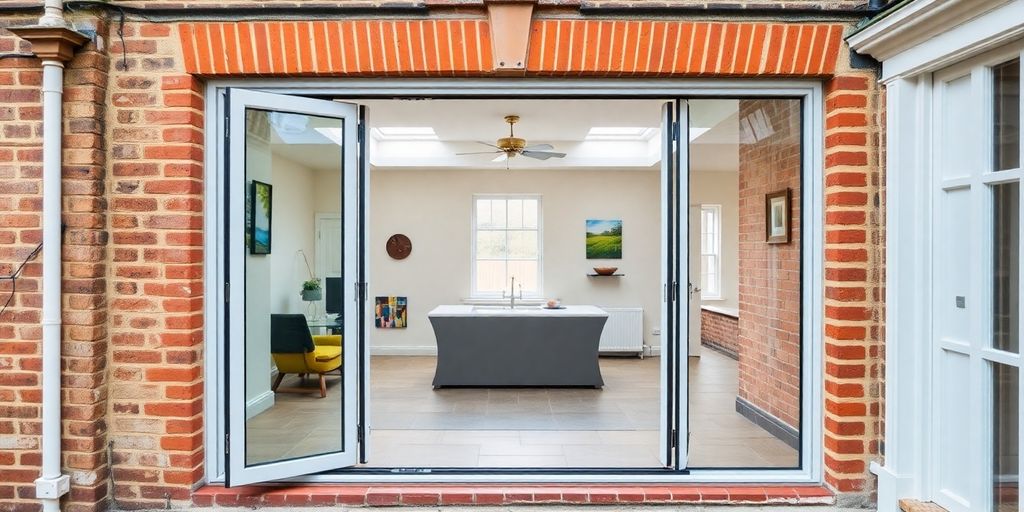
Bi-fold doors in a listed UK property with historical features.

Overview of Permitted Development Rights

So, you’re thinking about installing bi-fold doors? That’s great! One of the first things to figure out is whether you need to jump through the hoops of getting planning permission. Luckily, there’s something called Permitted Development Rights property enhancement that might just save you a lot of time and hassle. Basically, these rights allow homeowners to make certain improvements to their properties without needing to apply for full planning permission. This can include things like replacing existing doors or even adding small extensions. It’s all about making changes that don’t significantly impact the surrounding area.

Bi-Fold Doors Under Permitted Development

Good news! In many cases, installing bi-fold doors falls under Permitted Development. This means you can often replace existing doors with bi-fold doors without needing to get permission. However, there are a few things to keep in mind:

  • If the bi-fold doors are part of a larger extension, the whole project needs to comply with Permitted Development rules.
  • There are limits on how far an extension can extend from the original house, and how high it can be.
  • If you live in a designated area, like a conservation area, the rules might be stricter.

Here’s a quick table to give you an idea of typical extension size limits:

Type of Property Maximum Extension Size Height Limit
Attached House 6m from the rear wall 4m
Detached House 8m from the rear wall 4m

Limitations and Exceptions

Okay, so Permitted Development sounds pretty good, right? But it’s not a free-for-all. There are definitely limitations and exceptions to be aware of. For example, if you’re planning a really big extension, or if your property is in a special area, you might still need to get planning permission. Also, the rules can be different depending on where you live, so it’s always a good idea to check with your local council. It’s better to be safe than sorry!

Think of Permitted Development as a set of guidelines that let you make certain changes without needing full planning permission. But, it’s important to know the rules and make sure your project fits within them. If you’re unsure, always check with your local planning authority.

Building Regulations Compliance

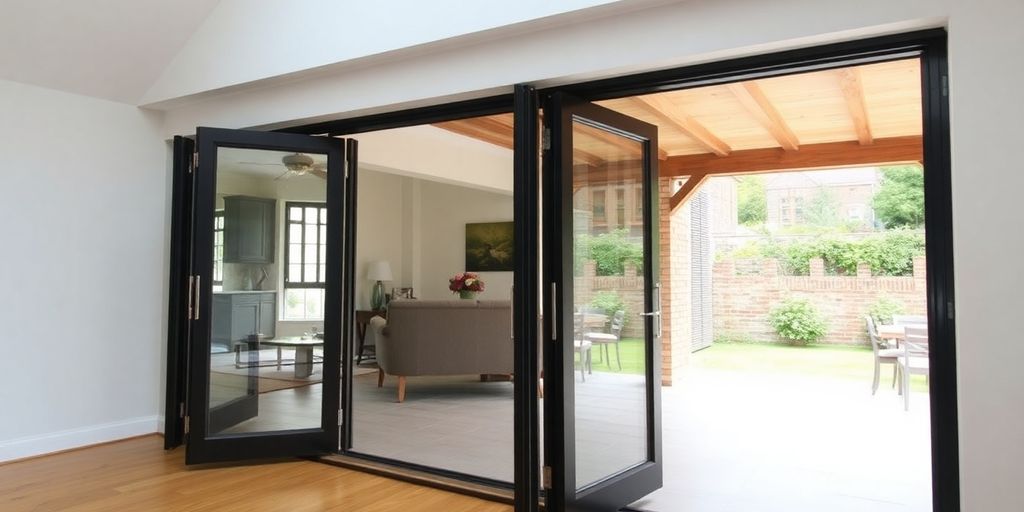
Bi-fold doors in a historic UK listed property.

Safety Standards for Bi-Fold Doors

Okay, so you’re thinking about bi-fold doors. Cool! But before you get too excited about the extra light and space, let’s talk safety. Building regulations are there for a reason, and they definitely apply to bi-fold doors. These regulations make sure your doors are safe to use and won’t cause any accidents.

  • The glass has to be safety glass. No exceptions.
  • The doors need to be easy to open in case of an emergency.
  • There should be some kind of finger protection to stop little fingers from getting squished. Seriously, think about it.

Energy Efficiency Requirements

Energy efficiency is a big deal these days, and your bi-fold doors need to play their part. Thermal insulation is key. Basically, you don’t want all your heat escaping through the doors. The Visofold aluminium bifolding doors are a good example of doors that meet these requirements.

Here’s what to keep in mind:

  • Check the U-value of the doors. Lower is better.
  • Make sure the doors are properly sealed to prevent drafts.
  • Consider double or triple glazing for extra insulation.

Building regulations are in place to ensure that any construction work meets certain standards for safety and energy efficiency. It’s not just about aesthetics; it’s about making sure your home is safe and comfortable for you and your family.

Consulting with Building Experts

Honestly, unless you’re a building expert yourself, it’s a good idea to talk to one. I mean, you could try to figure it all out yourself, but building regulations can be confusing, and you don’t want to mess anything up. Plus, if you’re in a listed building, you’ll need to get planning permission anyway. A building expert can help you with that, too.

Here’s why you should consult with someone:

  1. They know the local regulations inside and out.
  2. They can help you choose the right doors for your property.
  3. They can make sure the installation is done correctly and safely.

Challenges of Installing Bi-Fold Doors

Navigating Local Regulations

Okay, so you’re thinking about bi-fold doors. Awesome! But hold up. Local regulations can be a real headache. It’s not always straightforward, especially in older areas. You might think you’re good to go, but then BAM! A surprise rule pops up. It’s like trying to assemble furniture without the instructions. Always double-check with your local council.They’ll have the lowdown on what’s allowed and what’s a no-go. Trust me, it’s better to be safe than sorry.

Potential Community Impact

Think about your neighbors. Seriously. Bi-fold doors can change the look of your house, and that can affect the whole street. Will it block their light? Will it change the character of the neighborhood? These are things people care about. It’s a good idea to chat with your neighbors beforehand. Maybe even show them your plans. A little communication can go a long way in avoiding future drama. Plus, you don’t want to be that house.

Addressing Neighbors’ Concerns

So, you’ve talked to your neighbors, and they have concerns. Now what? Don’t just ignore them. Try to understand where they’re coming from. Maybe there’s a compromise you can make. Can you adjust the design slightly? Can you offer to plant some trees to offset the change? Being flexible and willing to listen can make a huge difference. If things get really heated, consider mediation. A neutral third party can help everyone find common ground. Remember, it’s about building relationships, not just building doors.

It’s important to remember that installing bi-fold doors isn’t just about your house. It’s about the community too. Being considerate and respectful can make the whole process smoother and more enjoyable for everyone involved.

Best Practices for Installation

Hiring Qualified Professionals

Okay, so you’re ready to get those bi-fold doors installed. Don’t even think about doing it yourself unless you’re a pro. Seriously. Find someone who knows what they’re doing. Look for installers with certifications from places like Certass or Fensa. These guys have the experience and training to get the job done right, especially when dealing with older buildings. It might cost a bit more upfront, but it’ll save you headaches (and money) in the long run. Plus, they’ll know all the local rules and regulations, which is a huge bonus.

Ensuring Minimal Disruption

Nobody wants their house turned into a construction zone for weeks. Before the work starts, talk to your installer about how to keep the mess and noise to a minimum. This means things like:

  • Covering furniture to protect it from dust.
  • Setting up dust barriers to contain the mess.
  • Agreeing on work hours to avoid disturbing the neighbors.

It’s also a good idea to let your neighbors know what’s going on ahead of time. A little communication can go a long way in keeping everyone happy. Maybe even bake them some cookies as a peace offering!

Maintaining Historical Integrity

This is super important, especially if you’re working on a listed building. You can’t just slap any old bi-fold door in there. You need to make sure the new doors fit in with the historical character of the property. This means paying attention to things like:

  • Using materials that are appropriate for the age of the building.
  • Matching the design of the doors to the existing architectural style.
  • Choosing colors that are in keeping with the historical period.

Think about it this way: you’re not just installing doors; you’re preserving a piece of history. Don’t mess it up! If you are installing 4m bifold doors, make sure they are compliant with the historical integrity of the building.

Wrapping Up Your Bi-Fold Door Installation

So, there you have it. Installing bi-fold doors in a listed property can really change the vibe of your home, but it’s not as simple as just picking out a style you like. You need to keep in mind the planning rules and regulations that come with listed buildings. Most of the time, you’ll need to get permission, especially if you’re making big changes. Always check with your local council before you start, just to be safe. That way, you can enjoy your new doors without any headaches later on. Happy renovating!

Frequently Asked Questions

What is a listed building?

A listed building is a property that has been recognized for its historical or architectural importance. These buildings are protected by law, which means any changes to them need special permission.

Do I need planning permission to install bi-fold doors?

Yes, if you are installing bi-fold doors in a listed building, you usually need to get planning permission. This is because any significant changes to the structure require approval.

What materials can I use for bi-fold doors in a listed building?

When installing bi-fold doors in a listed building, you should use materials that match the original style of the building. Timber is often preferred over materials like aluminum.

What are permitted development rights?

Permitted development rights allow homeowners to make certain changes to their property without needing to apply for planning permission. However, this may not apply to listed buildings.

What are the building regulations for bi-fold doors?

Building regulations ensure that bi-fold doors meet safety and energy efficiency standards. It’s important to check these regulations before installation.

What challenges might I face when installing bi-fold doors?

You may face challenges such as navigating local regulations, addressing neighbors’ concerns, and ensuring that your installation does not disrupt the community.