
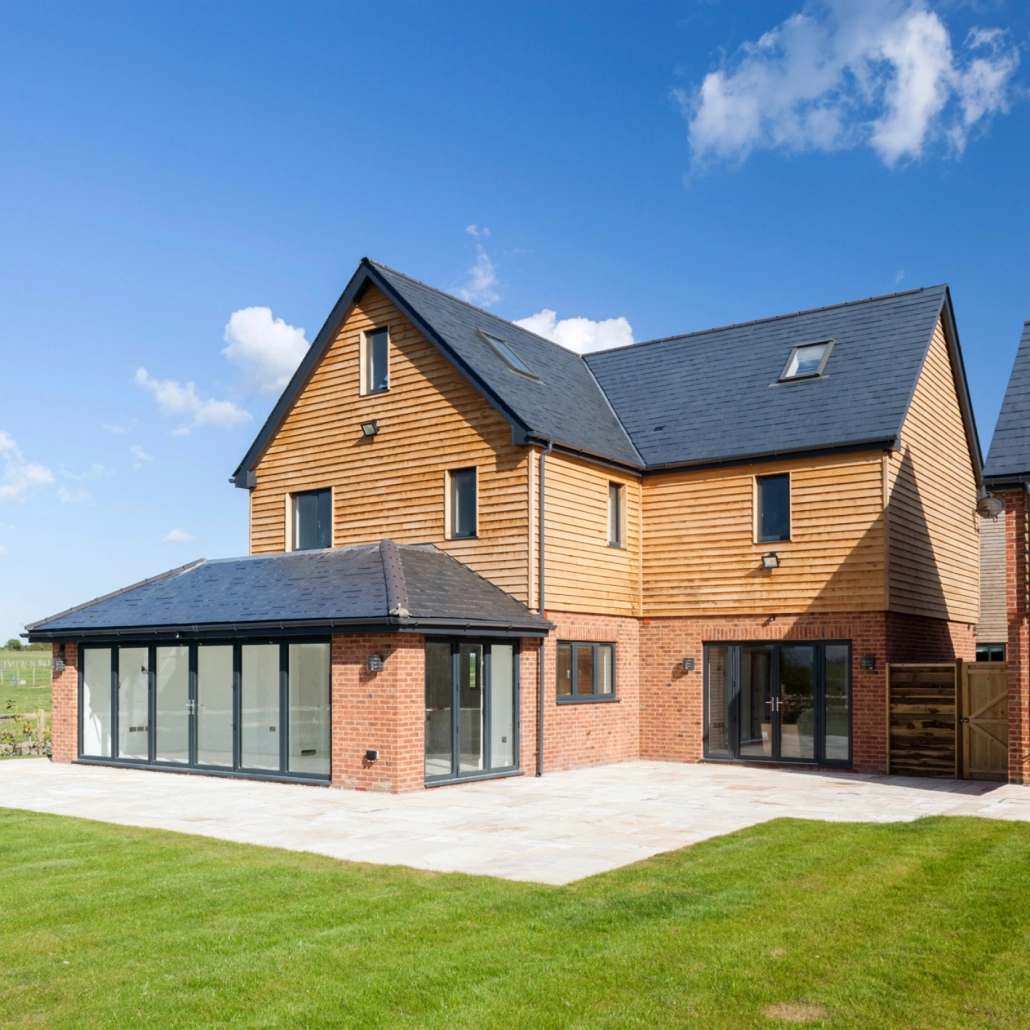
How Faster Lead Times Give Installers a Competitive Edge
In the 2026 glazing industry, the gap between a “lead” and a “completed install” has become the most critical metric for success. With the Future Homes Standard driving a massive wave of retrofits and new builds, homeowners and developers are no longer willing to wait 12–16 weeks for premium aluminium systems.
For installers, the ability to source high-quality windows and doors quickly isn’t just a convenience—it is a powerful competitive weapon. Here is why faster lead times are the secret to scaling your installation business this year.
1. Drastically Reduced Cancellation Rates
In a volatile economy, the “cooling-off” period never truly ends until the product is on-site.
-
The “Buyer’s Remorse” Window: Long lead times give customers too much time to overthink their investment, browse competitors, or experience “financial cold feet.”
-
Striking While the Iron is Hot: When you can promise a 2-to-4-week turnaround instead of 3 months, you lock in the customer’s excitement and significantly lower the risk of a cancelled contract.
2. Accelerated Cash Flow and “Project Velocity”
Cash flow is the lifeblood of any installation firm. Long lead times trap your capital in deposits and overheads while you wait for frames to arrive.
-
Higher Project Turnover: Faster lead times allow you to complete more jobs per quarter with the same headcount.
-
The “Payment Gap” Reduction: By shrinking the time between the initial deposit and the final balance payment, you keep your bank balance healthy and reduce the need for high-interest business credit.
3. Winning the “Referral Race”
In 2026, the best marketing isn’t a billboard; it’s a finished project.
-
The Instagram Effect: Homeowners want to show off their new bi-folds or slimline windows immediately. A fast installation leads to instant social proof and word-of-mouth referrals.
-
Reliability as a Brand: Being known as the installer who “actually shows up when they say they will” is a rare and valuable reputation in the current UK market.
Lead Time Impact: A Comparative Look
4. Better Relationships with Developers
For commercial contracts and new-build developers, “Time is Money” isn’t a cliché—it’s a line item.
-
Avoiding Penalty Clauses: Delays in window installations can hold up plasterers, electricians, and flooring contractors.
-
The Preferred Supplier Status: If you can help a developer hit their “weather-tight” milestone two weeks early, you will be the first person they call for their next phase.
5. Agility in the Face of Regulation Changes
With building regulations (Part L and Part O) being updated frequently in 2026, long lead times carry the risk of “specification drift.”
-
Staying Current: A fast supply chain ensures the products you install are the most current, compliant versions, reducing the risk of a building inspector flagging a “legacy” spec that was ordered months ago but only just arrived.
Conclusion: Speed as a Service
In 2026, the product is only half of what you are selling. The other half is time. By partnering with manufacturers who prioritize rapid fabrication without sacrificing 0.8 W/m²K performance, you position your business as a premium, reliable, and modern choice.



Leave a Reply
Want to join the discussion?Feel free to contribute!