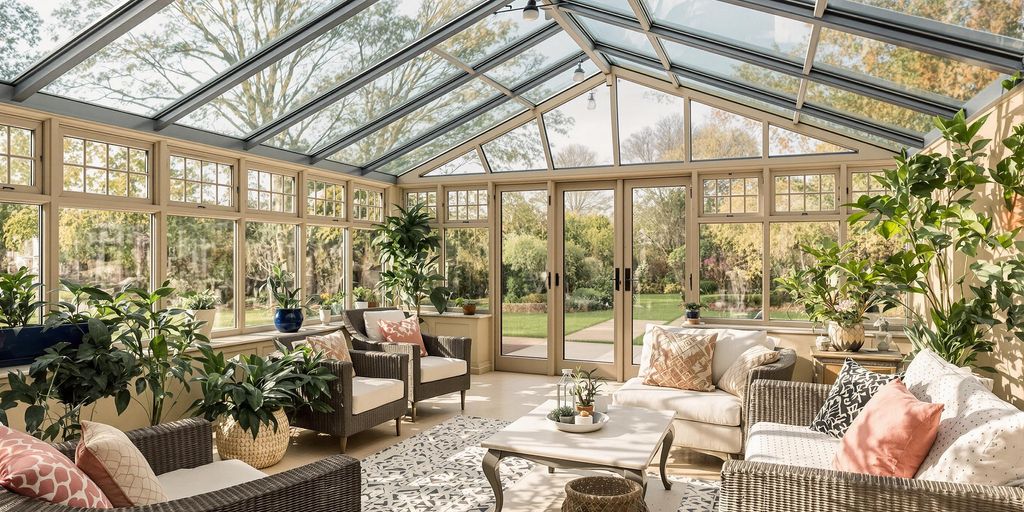
How Big Should my Roof Lantern be?

Picking the right size for your Roof Lantern can feel a bit tricky, right? You want it to look good and bring in plenty of light, but you also don’t want it to be too big or too small for your room. It’s all about finding that sweet spot where the Roof Lantern makes your space feel brighter and more open without looking out of place. Let’s talk about how to get it just right for your home.

Key Takeaways

  • The size of your Roof Lantern should match your room’s size to look good and work best.
  • Think about how much light you really need; more isn’t always better for a Roof Lantern.
  • Your roof’s structure is a big deal and affects what size Roof Lantern you can put in.
  • Energy efficiency matters, so pick a Roof Lantern that keeps your home cozy.
  • Always measure carefully, considering the external kerb size for your Roof Lantern.

Understanding Roof Lantern Proportions

Balancing Room Size with Roof Lantern

Getting the right size for your roof lantern is a big deal. You don’t want it to look like an afterthought, but you also don’t want it to take over the whole room. A good rule of thumb is to aim for the roof lantern to cover about 15-20% of the total roof area. If it’s too small, it might not make much of a difference, and if it’s too big, it can feel a bit much, almost like it’s trying too hard. Think about the flow of the room and how the lantern will fit in with everything else. It’s all about finding that sweet spot where it adds to the space without dominating it.

Optimizing Light for Your Space

When you’re thinking about a roof lantern, a lot of it comes down to light. How much natural light do you actually want in the room? If your space is already pretty bright, a smaller lantern might be enough to just give it that extra little sparkle. But if you’re dealing with a darker room, or you really want to flood the place with sunshine, then a larger lantern is probably what you’re after. It’s not just about making the room brighter, though; it’s also about how the light changes the feel of the space throughout the day. Consider what will be directly under the lantern, like a kitchen island or a dining table, because that’s where the light will really hit.

Considering Overall Roof Coverage

When you’re planning for a roof lantern, you’ve got to think about the whole roof, not just the hole you’re cutting. The lantern needs to sit right on an upstand, which is usually built by your roofer. This upstand is important for proper drainage and making sure everything is weatherproof. You also need to consider the shape of the lantern. While standard rectangular ones are common, you can also get custom-made roof lanterns in different shapes like square or octagonal. The overall coverage of the roof lantern should complement the existing roof structure and not look out of place. It’s a balance between aesthetics and practicality.

  • The upstand should typically be at least 150mm high for good rainwater runoff.
  • The width of the upstand should be at least 69mm to support the lantern’s base.
  • The external kerb size of the lantern is what you’ll measure, not the hole in the roof itself.

Structural Considerations for Your Roof Lantern
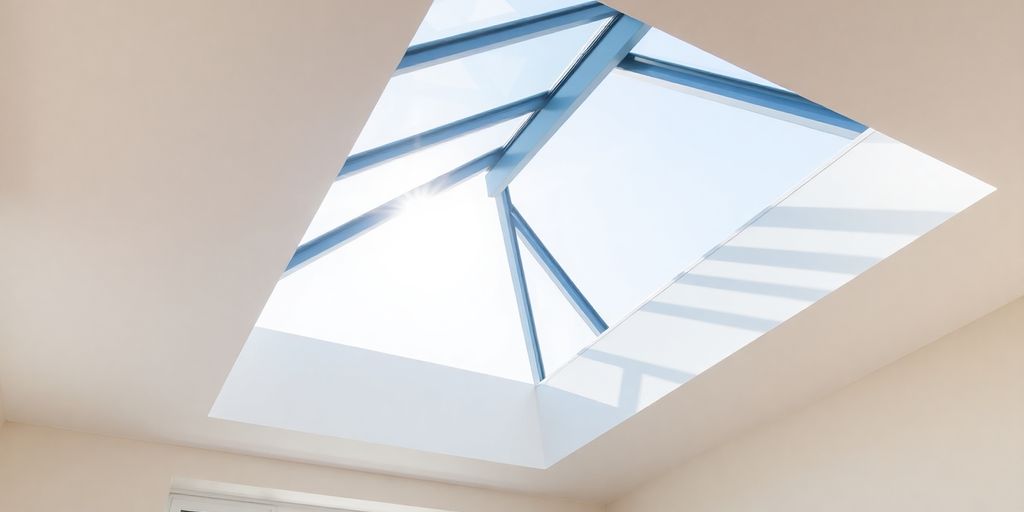
Roof lantern on a modern home's ceiling.

When you’re thinking about adding a roof lantern, it’s not just about how it looks or how much light it brings in. You’ve got to think about the bones of your house, specifically the roof. This part is super important because a roof lantern, especially a bigger one, adds weight and changes how your roof handles things. You don’t want to end up with a saggy roof or, even worse, a collapse. So, let’s get into the nitty-gritty of making sure your roof can handle the new addition.

Assessing Existing Roof Structure

Before you even start dreaming about the perfect roof lantern, you need to take a hard look at your current roof. Is it a flat roof? Is it pitched? What kind of materials are holding it up? The existing roof structure dictates the maximum size and weight your roof can safely support. Things like the spacing of your roof joists, the type of timber used, and the overall condition of the roof are all big factors. If your house is older, or if the roof has seen better days, you might need some upgrades before you can even think about a lantern. It’s like trying to put a big engine in a tiny car; the chassis might not be able to handle it. You need to know what you’re working with before you make any big plans. This initial assessment is key to avoiding headaches down the road.

Consulting with Professionals

This isn’t a DIY job, folks. When it comes to structural changes, you absolutely need to bring in the pros. We’re talking about structural engineers and experienced roofers. They’re the ones who can tell you if your roof is up to snuff or if it needs some serious reinforcement. They’ll look at blueprints, inspect the roof in person, and do all the calculations to make sure everything is safe and sound. Don’t try to cut corners here; it’s just not worth the risk. A good professional will:

  • Evaluate the current load-bearing capacity of your roof.
  • Identify any weak spots or areas that need strengthening.
  • Provide recommendations for necessary structural modifications.
  • Help you understand the implications for roof terraces and structures.
  • Ensure compliance with local building codes and regulations.

It’s easy to get caught up in the excitement of a new home improvement project, but ignoring the underlying structural requirements can lead to significant problems. Think of it as building a strong foundation for any new addition; without it, the whole thing could crumble. Taking the time to consult with experts upfront will save you time, money, and stress in the long run.

Ensuring Load-Bearing Capacity

This is where the rubber meets the road. Once you’ve had your roof assessed, the main goal is to make sure it has enough load-bearing capacity for the new roof lantern. This means the roof needs to be able to support the weight of the lantern itself, plus any additional loads like snow, wind, and even people walking on it for maintenance. Sometimes, this might mean adding extra beams, reinforcing existing joists, or even building a new support frame. For flat roofs, especially, you might need to create a robust upstand that can distribute the weight evenly. It’s all about making sure the forces are properly managed and that your roof can handle the new addition without any strain. This step is non-negotiable for safety and longevity.

Maximizing Natural Light with a Roof Lantern
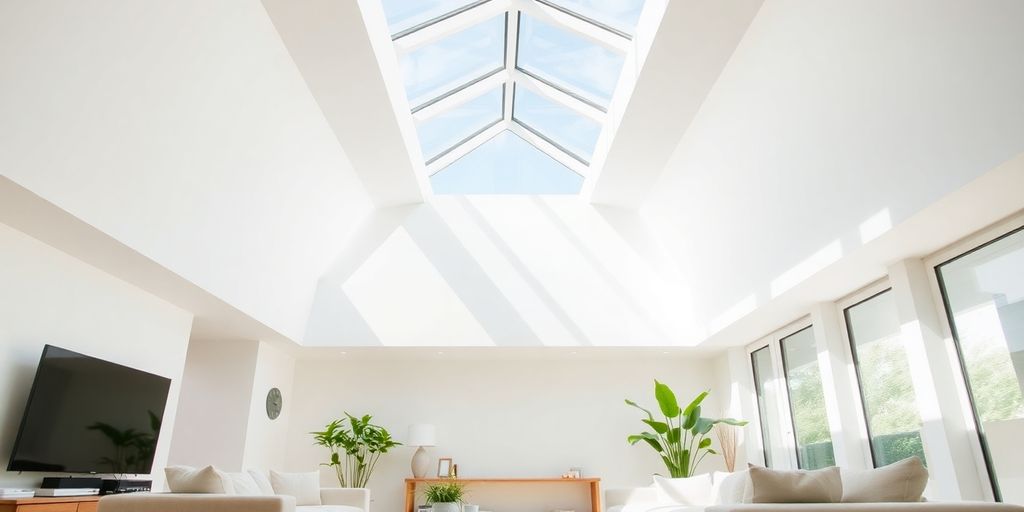
Bright room, sunlit interior, large roof lantern.

Determining Light Requirements

When you’re thinking about adding a roof lantern, the first thing to really nail down is how much light you actually need. It’s not just about throwing a big glass box on your roof and hoping for the best. Think about the room’s current light situation. Is it a dark, north-facing space that feels like a cave even at noon? Or is it already pretty bright, and you’re just looking for a little extra sparkle? A good rule of thumb is that a roof lantern should cover about 15-20% of the room’s floor area to provide ample natural light without overdoing it. If your room is already getting a decent amount of sun from windows, a smaller lantern might be all you need to just give it that extra lift. But for those truly dim areas, you’ll want to go bigger to really transform the space. It’s all about finding that sweet spot.

Enhancing Ambiance with a Roof Lantern

Beyond just making a room brighter, a roof lantern can totally change the feel of a space. It’s not just about lumens; it’s about creating an atmosphere. Imagine a kitchen that feels open and airy, or a living room that’s bathed in soft, natural light all day long. That’s the power of a well-placed roof lantern. They can make a room feel much larger than it actually is, drawing your eye upwards and creating a sense of height and openness. It’s like bringing the outside in, but without the bugs or the weather. This can be especially impactful in rooms where you spend a lot of time, like a kitchen or a family room, making them more inviting and comfortable. For more ideas on how to brighten your home, check out these natural light tips.

Avoiding Over-Illumination

Now, while more light often sounds better, there’s such a thing as too much of a good thing. Over-illumination can be a real problem. Think about glare on screens, or rooms that get uncomfortably hot in the summer. You don’t want your beautiful new roof lantern to turn your living space into a greenhouse or a blinding spotlight. Here are some things to consider to avoid over-illumination:

  • Room Orientation: South-facing rooms get a lot of direct sunlight, so a smaller lantern or one with specialized glazing might be better.
  • Glazing Type: Different types of glass can block varying amounts of UV rays and heat. Low-emissivity (Low-E) glass is a popular choice for balancing light and thermal performance.
  • Shading Options: Consider internal or external blinds. They can be a lifesaver on super sunny days, giving you control over the light and heat.
  • Room Function: A home office might need less intense light than a conservatory. Tailor the lantern size and features to the room’s purpose.

It’s easy to get carried away with the idea of a massive roof lantern, but a thoughtful approach to light requirements and potential downsides will lead to a much more satisfying outcome. Balancing the desire for brightness with practical considerations like heat gain and glare is key to creating a truly comfortable and inviting space.

Energy Efficiency and Your Roof Lantern

Minimizing Heat Loss with a Roof Lantern

When you’re thinking about adding a roof lantern, one of the big things to consider is how it’s going to affect your home’s energy use. It’s not just about letting light in; it’s also about keeping the heat where it belongs. A poorly chosen or installed roof lantern can actually make your energy bills go up, which is the last thing anyone wants. The goal is to get all that lovely natural light without turning your home into a drafty mess in winter or an oven in summer.You want a good balance. Think about the materials used in the frame and the glass itself. These things really matter for keeping your home comfortable and your energy costs down. It’s all about making smart choices upfront.

Selecting the Right Glazing

Choosing the right glass for your roof lantern is super important for energy efficiency. It’s not just any old glass; there are different types, and they all perform differently. You’ve got options like double glazing, triple glazing, and even specialized coatings that can reflect heat. For example, low-emissivity (low-e) coatings are a popular choice because they help keep heat inside during colder months and reflect solar heat away in warmer months. This means your heating and cooling systems don’t have to work as hard. Also, consider the argon gas fill between the panes; it’s a better insulator than just air. The right glazing can make a huge difference in how well your roof lantern performs.

Understanding Thermal Performance

Thermal performance basically tells you how good your roof lantern is at insulating. The main way to measure this is with something called a U-value. A lower U-value means better insulation, which is what you want. It indicates how much heat is lost through a material. So, if you see a roof lantern with a U-value of, say, 1.2 W/m²K, that’s generally better than one with a U-value of 1.5 W/m²K. It’s a bit technical, but it’s a key number to look at when you’re comparing different options. Don’t just go for the cheapest one; sometimes, spending a little more upfront on better thermal performance can save you a lot of money on energy bills in the long run. It’s an investment in your home’s comfort and your wallet.

When you’re picking out a roof lantern, it’s easy to get caught up in how it looks or how much light it lets in. But don’t forget about the energy side of things. A well-insulated roof lantern can make your home more comfortable year-round and help you save on heating and cooling costs. It’s a smart move to prioritize energy efficiency from the start.

Popular Roof Lantern Sizes

Standard Dimensions for Roof Lanterns

When you’re looking at roof lanterns, you’ll find a bunch of standard sizes out there. These are usually pretty good for most homes, especially if you’re not building something super custom. A lot of companies make lanterns in common sizes to fit typical room layouts and roof structures. Think about it like buying a standard window; there are sizes that just work for most houses. These standard options can often be more budget-friendly too, since they’re mass-produced. It’s always a good idea to check what’s readily available before you start thinking about something totally unique. You might be surprised at how well a standard size fits your needs.

Bespoke Roof Lantern Options

Sometimes, a standard size just won’t cut it. Maybe your room is an unusual shape, or you have a very specific vision for how much light you want. That’s where bespoke roof lanterns come in. These are custom-made to your exact specifications, meaning you can get pretty much any size or shape you can imagine. This flexibility is great for unique architectural designs or for maximizing light in tricky spaces. Of course, custom usually means a higher price tag and a longer wait time, but for some projects, it’s totally worth it to get that perfect fit and look. If you’re considering a custom lantern, make sure you have very precise measurements.

Choosing the Right Size for Your Needs

Picking the right roof lantern size isn’t just about what fits; it’s about what works best for your space and your goals. Here are some things to think about:

  • Room Proportions: A small lantern in a huge room will look lost and won’t provide enough light. Conversely, a giant lantern in a tiny room can feel overwhelming. Aim for a balanced look.
  • Light Requirements: How much natural light do you actually want? A larger lantern brings in more light, but too much can cause glare or heat issues. Consider the room’s orientation to the sun.
  • Aesthetic Impact: Do you want the lantern to be a subtle feature or a dramatic focal point? The size will play a big role in its visual impact.
  • Budget: Larger and custom lanterns generally cost more. Think about what you’re willing to spend on the unit itself and the installation.

It’s not just about filling a hole in the roof. The right size roof lantern can transform a room, making it feel bigger, brighter, and more inviting. Take your time to consider all the angles before making a decision. A well-chosen lantern will add value and enjoyment to your home for years to come. Remember, a small uPVC roof lantern cost can range from £1,500 to £2,500, so plan your budget accordingly.

Atlas Roof Lantern Specifications

Atlas roof lanterns are pretty popular, and for good reason. They’ve got this sleek, modern look, and they’re known for being good at keeping heat in, which is a big deal when you’re trying to save on energy bills. People often pick them when they want to get a lot of light into a room without making the house feel drafty.

Atlas Roof Lantern Standard Sizes

When you’re looking at Atlas roof lanterns, they do have some common sizes that most folks go for. These are usually good if you’re not building something super custom and just need a solid option that fits a typical space. It’s like buying a shirt off the rack – usually, you can find one that fits pretty well.

  • 1000mm x 2000mm: This one is often used for smaller spots, like a compact kitchen or a bathroom where you just want a little extra brightness. It’s not going to flood the whole room, but it makes a difference.
  • 1500mm x 2500mm: This is a good middle-of-the-road size. It works well in medium-sized rooms, like a dining area, a living room, or even a home office. It brings in a decent amount of light without being too much.
  • 2000mm x 4000mm: Now we’re talking about the bigger spaces. If you’ve got a large extension or an open-plan kitchen, this size is going to bring in a ton of light. It really becomes a feature in the room, making a statement.

Atlas Roof Lantern Versatility

One of the cool things about Atlas roof lanterns is how versatile they are. They’re not just for one type of house or one kind of room. You can see them in all sorts of places, from modern new builds to older homes that have been renovated. They just seem to fit in, which is nice. The design is pretty clean, so it doesn’t clash with a lot of different styles. It’s all about getting that natural light in, and these lanterns do a good job of it, no matter the setting.

Choosing the right roof lantern isn’t just about the size; it’s also about how it fits with the overall feel of your home. Atlas lanterns are designed to be pretty adaptable, so they can work in a lot of different situations. They’re built to let in a lot of light while still being energy efficient, which is a big plus for most homeowners.

Atlas Roof Lantern for Large Spaces

If you’ve got a really big room, like a huge open-plan living area or a large extension, Atlas has options that can handle that. They can make a huge difference in how bright and open a large space feels. Sometimes, a single large lantern is better than a bunch of smaller ones because it creates a more unified look and lets in more light without breaking up the ceiling too much. It’s all about making sure the light spreads out evenly and makes the room feel bigger and more inviting.

Measuring for Your Roof Lantern

Getting the right measurements for your roof lantern is super important. It’s not just about picking a size you like; it’s about making sure it fits perfectly and works with your home’s structure. A small mistake here can cause big headaches later on, so taking your time and being precise is key. You want that natural light to flood in, not to have a leaky roof because of a bad fit.

Understanding External Kerb Size

When you’re looking at roof lantern sizes online or in a catalog, the dimensions you see, like “1000mm x 1500mm,” almost always refer to the external kerb size. This isn’t the actual hole in your roof. Instead, it’s the measurement of the timber upstand that the roof lantern will sit on. Think of it as the base. The lantern’s eaves will rest right on top of this upstand, usually with a little bit of overhang to help with weather protection. So, when you’re planning, remember that the listed size is for the platform, not the void.

Building the Upstand for Your Roof Lantern

The upstand is a pretty important part of the whole setup. It’s typically built on-site by your roofer, usually out of wood, and then covered with a weatherproof membrane. This creates a solid, level surface for the lantern. The recommended height for this upstand is around 150mm, and it should be at least 69mm wide to match the base of the lantern’s eaves. Getting these dimensions right is absolutely critical for a secure and watertight installation. Your roofer will make sure it’s all squared away, but it’s good to know what they’re working with.

It’s easy to get caught up in the excitement of a new roof lantern, but don’t rush the measuring process. A well-measured and properly installed lantern will bring years of enjoyment and light, while a rushed job can lead to costly repairs and frustration. Take your time, double-check everything, and if you’re unsure, always get a professional opinion.

Ensuring Proper Rainwater Runoff

One thing you might not think about immediately is rainwater runoff, but it’s a big deal for roof lanterns. Building regulations usually require that the external kerb (that upstand we talked about) sticks up at least 150mm from the roof surface. Why? This height helps ensure that rainwater can properly drain away from the base of the lantern. If the upstand isn’t high enough, water can pool around the edges, which can lead to leaks and damage over time. It’s a small detail, but it makes a huge difference in the long-term performance and durability of your roof lantern. So, when you’re talking to your builder or roofer, make sure they’re aware of this requirement.

Wrapping It Up

So, figuring out the right size for your roof lantern isn’t just a quick guess. You really need to think about your room, how much light you want, and what your roof can actually handle. Get it right, and your space will feel amazing, full of light and looking just perfect. Get it wrong, and well, it might not be quite what you hoped for. Take your time, do a little planning, and you’ll end up with a roof lantern that makes your home shine.

Frequently Asked Questions

How do I pick the right size roof lantern?

The best size for your roof lantern depends on a few things: how big your room is, how much light you want, and the structure of your roof. A good rule of thumb is for the lantern to cover about 15-20% of the roof area in that room. This usually gives you enough light without making the space feel too bright or out of balance.

Can roof lanterns be custom-made?

Yes, roof lanterns can be made to fit almost any size or shape. If standard sizes don’t work for your space, you can often get one custom-made to perfectly match your needs.

Do bigger roof lanterns affect my home’s temperature?

Larger roof lanterns let in more sunlight, which can make a room feel bigger and brighter. However, they can also let out more heat in winter or let in too much heat in summer if they aren’t properly insulated. It’s a trade-off between light and keeping your home comfortable.

How do I measure for a roof lantern?

You’ll need to measure the outside edge of the opening where the lantern will sit on your roof. This is called the ‘external kerb size.’ It’s important to add a little extra to these measurements (like 12mm in length and width) to make sure the lantern has a small overhang for rain to run off properly.

Do I need a professional to check my roof before installing a lantern?

Yes, it’s a really good idea to talk to a structural engineer or an experienced roofer before you install a roof lantern, especially a large one. They can check if your roof can handle the extra weight and make sure everything is safe and sound.

What are the main benefits of adding a roof lantern?

Roof lanterns are great for bringing in natural light and making a room feel more open and airy. They can also help reduce the need for artificial lighting during the day, which might save on electricity bills. Plus, they can add a stylish, modern touch to your home.
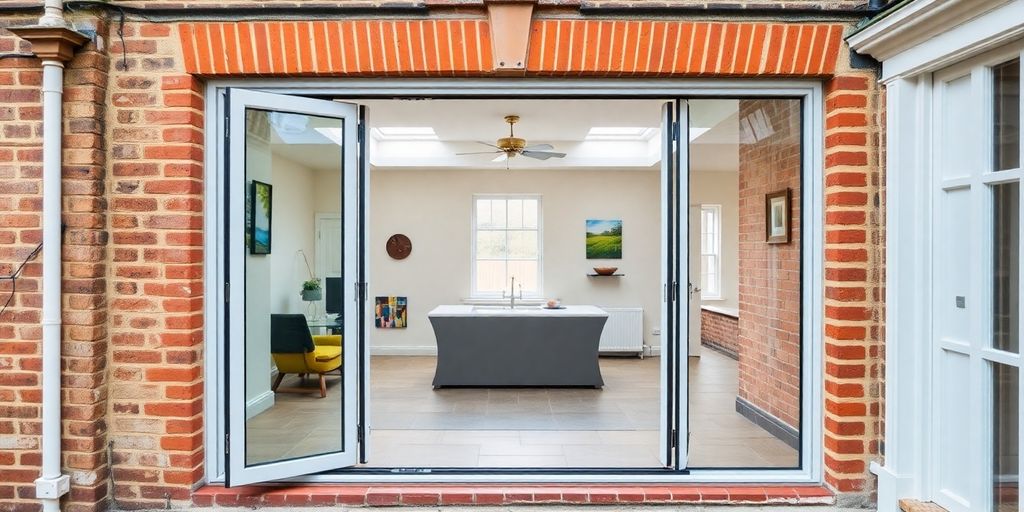
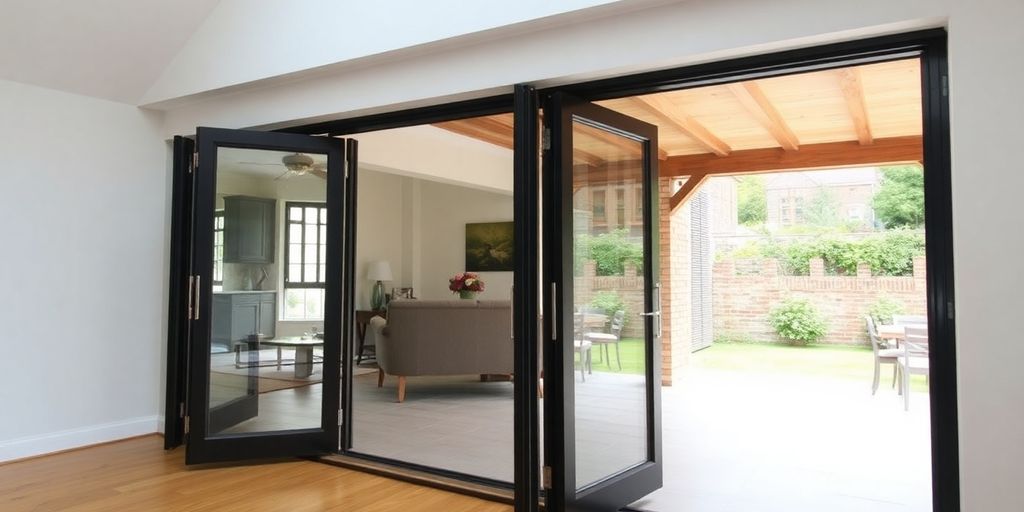
Adding Glass Doors to a Period Property

Installing bi-fold doors in a listed property in the UK can be a great way to enhance your living space. However, it’s important to understand the unique challenges that come with working on these historically significant buildings. From planning permission to material choices, there are several factors to consider to ensure your project complies with local regulations and maintains the property’s character. This guide will walk you through the essential steps to successfully install bi-fold doors while respecting the heritage of your home.

Key Takeaways

  • Installing bi-fold doors in listed buildings often requires planning permission.
  • Consult your local authority early in the process to understand specific regulations.
  • Material choices are crucial; traditional materials like timber are often preferred.
  • Permitted development rights may allow some changes without needing permission.
  • Always prioritize safety and compliance with building regulations during installation.

Understanding Listed Buildings and Glass Doors

Definition of Listed Buildings

So, what exactly is a listed building? Well, it’s a building that’s been put on a special register because it’s considered to be of historical or architectural importance. This means it’s protected by law, and you can’t just go making changes without getting permission first. Think of it like this: these buildings are part of our history, and we want to make sure they stick around for future generations.

Here are some things to keep in mind:

  • They can be houses, shops, or even public buildings.
  • You’ll probably need special permission to change them.
  • The goal is to keep the building’s original look and feel.

Importance of Preservation

Preserving listed buildings is super important. It’s not just about keeping old buildings around; it’s about protecting our heritage and the stories these buildings tell. These buildings give us a peek into the past, showing us how people lived and worked. Plus, they add a unique charm to our towns and cities. When we preserve them, we’re keeping a piece of history alive. If you are planning any changes, it’s important to understand the planning regulations involved.

Here’s why it matters:

  • They connect us to the past.
  • They make our communities unique.
  • They can even boost tourism.

Types of Listed Buildings

Not all listed buildings are created equal. There are different grades of listing, which basically show how important the building is considered to be. The higher the grade, the more protection it gets. It’s a bit like a ranking system for historical significance.

Here’s a quick rundown:

  • Grade I: These are the real showstoppers – buildings of exceptional interest.
  • Grade II*: These are important buildings with a bit more significance.
  • Grade II: These are still special, but not quite as rare or historically important as the others.

Planning Permission for Bi-Fold Doors

When is Planning Permission Required?

Okay, so you’re thinking about installing bi-fold doors. Great choice! But before you get too excited, let’s talk about planning permission. Generally, if you’re just replacing existing doors with bi-fold doors, you might not need it.However, if you’re creating a new opening or significantly altering the structure of your home, especially in conservation areas, you’ll likely need to apply. It’s always better to be safe than sorry, so do your homework first.

Consulting Local Authorities

Your local authority is your best friend in this process. Seriously. Give them a call or check out their website. They can provide specific guidance based on your property and location. They’ll be able to tell you if your project falls under permitted development rights or if you need to go through the full planning application process. Don’t skip this step! It can save you a lot of headaches down the road. Remember, every area has its own quirks and rules, so what applies to your neighbor might not apply to you.

Understanding the Application Process

So, you’ve determined you need planning permission. Now what? The application process can seem daunting, but it’s manageable if you break it down. Here’s a quick rundown:

  1. Gather your documents: This includes detailed plans of the proposed work, site maps, and any other information your local authority requires.
  2. Submit your application: You can usually do this online through your local authority’s website. Make sure you fill out everything accurately and completely.
  3. Wait (patiently): The local authority will review your application, which can take several weeks or even months. Be prepared to answer any questions they might have.

It’s a good idea to get professional help with your application. An architect or planning consultant can guide you through the process and increase your chances of approval. They know the ins and outs of the system and can help you avoid common pitfalls. Plus, they can handle the communication with the local authority, which can be a huge relief.

Material and Design Considerations

Acceptable Materials for Listed Buildings

Okay, so you’re thinking about bi-fold doors for your listed property? Awesome! But hold up – material choices are a big deal. You can’t just slap any old thing in there. Timber is often the go-to because it’s seen as more in line with the historical vibe. Aluminum? Might be a no-go in some areas. It really depends on what the local council thinks is acceptable. It’s all about keeping that historical integrity intact. Think about it – would shiny new aluminum doors really fit with a centuries-old building? Probably not.

Design Compatibility with Historical Features

Design-wise, you’ve got to think about how the doors will mesh with the existing historical features. The goal is to complement, not clash. Are there specific architectural details you need to consider? Glazing patterns, frame styles, hardware – it all matters. You might need to get creative to find something that works. For example, Georgian style bifold doors can be a great option for certain properties. It’s not just about picking something you like; it’s about respecting the building’s history.

Color Restrictions and Guidelines

Color. Even that can be a sticking point. Bright, modern colors? Probably not going to fly. You’ll likely need to stick to a palette that’s in keeping with the building’s period. Think muted tones, traditional colors, that sort of thing. Check with the local authority to see if they have specific guidelines. You don’t want to install your doors only to be told you need to repaint them! It’s all about blending in and not sticking out like a sore thumb.

It’s worth remembering that getting this right from the start can save you a lot of headaches down the road. Do your research, talk to the experts, and make sure you’re making choices that are both beautiful and respectful of the building’s history.

Permitted Development Rights Explained

Bi-fold doors in a listed UK property with historical features.

Overview of Permitted Development Rights

So, you’re thinking about installing bi-fold doors? That’s great! One of the first things to figure out is whether you need to jump through the hoops of getting planning permission. Luckily, there’s something called Permitted Development Rights property enhancement that might just save you a lot of time and hassle. Basically, these rights allow homeowners to make certain improvements to their properties without needing to apply for full planning permission. This can include things like replacing existing doors or even adding small extensions. It’s all about making changes that don’t significantly impact the surrounding area.

Bi-Fold Doors Under Permitted Development

Good news! In many cases, installing bi-fold doors falls under Permitted Development. This means you can often replace existing doors with bi-fold doors without needing to get permission. However, there are a few things to keep in mind:

  • If the bi-fold doors are part of a larger extension, the whole project needs to comply with Permitted Development rules.
  • There are limits on how far an extension can extend from the original house, and how high it can be.
  • If you live in a designated area, like a conservation area, the rules might be stricter.

Here’s a quick table to give you an idea of typical extension size limits:

Type of Property Maximum Extension Size Height Limit
Attached House 6m from the rear wall 4m
Detached House 8m from the rear wall 4m

Limitations and Exceptions

Okay, so Permitted Development sounds pretty good, right? But it’s not a free-for-all. There are definitely limitations and exceptions to be aware of. For example, if you’re planning a really big extension, or if your property is in a special area, you might still need to get planning permission. Also, the rules can be different depending on where you live, so it’s always a good idea to check with your local council. It’s better to be safe than sorry!

Think of Permitted Development as a set of guidelines that let you make certain changes without needing full planning permission. But, it’s important to know the rules and make sure your project fits within them. If you’re unsure, always check with your local planning authority.

Building Regulations Compliance

Bi-fold doors in a historic UK listed property.

Safety Standards for Bi-Fold Doors

Okay, so you’re thinking about bi-fold doors. Cool! But before you get too excited about the extra light and space, let’s talk safety. Building regulations are there for a reason, and they definitely apply to bi-fold doors. These regulations make sure your doors are safe to use and won’t cause any accidents.

  • The glass has to be safety glass. No exceptions.
  • The doors need to be easy to open in case of an emergency.
  • There should be some kind of finger protection to stop little fingers from getting squished. Seriously, think about it.

Energy Efficiency Requirements

Energy efficiency is a big deal these days, and your bi-fold doors need to play their part. Thermal insulation is key. Basically, you don’t want all your heat escaping through the doors. The Visofold aluminium bifolding doors are a good example of doors that meet these requirements.

Here’s what to keep in mind:

  • Check the U-value of the doors. Lower is better.
  • Make sure the doors are properly sealed to prevent drafts.
  • Consider double or triple glazing for extra insulation.

Building regulations are in place to ensure that any construction work meets certain standards for safety and energy efficiency. It’s not just about aesthetics; it’s about making sure your home is safe and comfortable for you and your family.

Consulting with Building Experts

Honestly, unless you’re a building expert yourself, it’s a good idea to talk to one. I mean, you could try to figure it all out yourself, but building regulations can be confusing, and you don’t want to mess anything up. Plus, if you’re in a listed building, you’ll need to get planning permission anyway. A building expert can help you with that, too.

Here’s why you should consult with someone:

  1. They know the local regulations inside and out.
  2. They can help you choose the right doors for your property.
  3. They can make sure the installation is done correctly and safely.

Challenges of Installing Bi-Fold Doors

Navigating Local Regulations

Okay, so you’re thinking about bi-fold doors. Awesome! But hold up. Local regulations can be a real headache. It’s not always straightforward, especially in older areas. You might think you’re good to go, but then BAM! A surprise rule pops up. It’s like trying to assemble furniture without the instructions. Always double-check with your local council.They’ll have the lowdown on what’s allowed and what’s a no-go. Trust me, it’s better to be safe than sorry.

Potential Community Impact

Think about your neighbors. Seriously. Bi-fold doors can change the look of your house, and that can affect the whole street. Will it block their light? Will it change the character of the neighborhood? These are things people care about. It’s a good idea to chat with your neighbors beforehand. Maybe even show them your plans. A little communication can go a long way in avoiding future drama. Plus, you don’t want to be that house.

Addressing Neighbors’ Concerns

So, you’ve talked to your neighbors, and they have concerns. Now what? Don’t just ignore them. Try to understand where they’re coming from. Maybe there’s a compromise you can make. Can you adjust the design slightly? Can you offer to plant some trees to offset the change? Being flexible and willing to listen can make a huge difference. If things get really heated, consider mediation. A neutral third party can help everyone find common ground. Remember, it’s about building relationships, not just building doors.

It’s important to remember that installing bi-fold doors isn’t just about your house. It’s about the community too. Being considerate and respectful can make the whole process smoother and more enjoyable for everyone involved.

Best Practices for Installation

Hiring Qualified Professionals

Okay, so you’re ready to get those bi-fold doors installed. Don’t even think about doing it yourself unless you’re a pro. Seriously. Find someone who knows what they’re doing. Look for installers with certifications from places like Certass or Fensa. These guys have the experience and training to get the job done right, especially when dealing with older buildings. It might cost a bit more upfront, but it’ll save you headaches (and money) in the long run. Plus, they’ll know all the local rules and regulations, which is a huge bonus.

Ensuring Minimal Disruption

Nobody wants their house turned into a construction zone for weeks. Before the work starts, talk to your installer about how to keep the mess and noise to a minimum. This means things like:

  • Covering furniture to protect it from dust.
  • Setting up dust barriers to contain the mess.
  • Agreeing on work hours to avoid disturbing the neighbors.

It’s also a good idea to let your neighbors know what’s going on ahead of time. A little communication can go a long way in keeping everyone happy. Maybe even bake them some cookies as a peace offering!

Maintaining Historical Integrity

This is super important, especially if you’re working on a listed building. You can’t just slap any old bi-fold door in there. You need to make sure the new doors fit in with the historical character of the property. This means paying attention to things like:

  • Using materials that are appropriate for the age of the building.
  • Matching the design of the doors to the existing architectural style.
  • Choosing colors that are in keeping with the historical period.

Think about it this way: you’re not just installing doors; you’re preserving a piece of history. Don’t mess it up! If you are installing 4m bifold doors, make sure they are compliant with the historical integrity of the building.

Wrapping Up Your Bi-Fold Door Installation

So, there you have it. Installing bi-fold doors in a listed property can really change the vibe of your home, but it’s not as simple as just picking out a style you like. You need to keep in mind the planning rules and regulations that come with listed buildings. Most of the time, you’ll need to get permission, especially if you’re making big changes. Always check with your local council before you start, just to be safe. That way, you can enjoy your new doors without any headaches later on. Happy renovating!

Frequently Asked Questions

What is a listed building?

A listed building is a property that has been recognized for its historical or architectural importance. These buildings are protected by law, which means any changes to them need special permission.

Do I need planning permission to install bi-fold doors?

Yes, if you are installing bi-fold doors in a listed building, you usually need to get planning permission. This is because any significant changes to the structure require approval.

What materials can I use for bi-fold doors in a listed building?

When installing bi-fold doors in a listed building, you should use materials that match the original style of the building. Timber is often preferred over materials like aluminum.

What are permitted development rights?

Permitted development rights allow homeowners to make certain changes to their property without needing to apply for planning permission. However, this may not apply to listed buildings.

What are the building regulations for bi-fold doors?

Building regulations ensure that bi-fold doors meet safety and energy efficiency standards. It’s important to check these regulations before installation.

What challenges might I face when installing bi-fold doors?

You may face challenges such as navigating local regulations, addressing neighbors’ concerns, and ensuring that your installation does not disrupt the community.

Keep Insects Out of your Orangery & Outdoor Room

As the weather warms up, many of us love to open our doors and windows to let in fresh air. But with that comes the not-so-welcome arrival of insects. Keeping your orangery or outdoor room free from these pesky bugs can be a challenge. Luckily, there are plenty of ways to create a beautiful, insect-free space that allows you to enjoy the outdoors without the annoyance of flies and mosquitoes. Here’s how you can keep your orangery bug-free while still enjoying the fresh air.

Key Takeaways

  • Sliding glass doors provide easy access and ventilation while keeping bugs out.
  • Insect screens are essential for allowing airflow without inviting pests inside.
  • Regular cleaning helps eliminate food sources that attract insects.
  • Using natural repellents like essential oils can deter bugs effectively.
  • Choosing the right screens can enhance the look of your space while keeping it insect-free.

Creating A Beautiful Insect-Free Orangery

Let’s face it, an orangery overrun with bugs isn’t exactly the relaxing oasis you envisioned. But don’t worry, creating a beautiful and insect-free space is totally achievable. It’s all about smart design choices and a little bit of maintenance. I’ve found that a few key strategies can make a huge difference in keeping those unwanted guests out.

Benefits Of Sliding Glass Doors

Sliding glass doors are great. They let in tons of light and offer easy access to the outdoors. But, they can also be a major entry point for insects. The key is to choose doors with tight seals and consider adding retractable fly screens. This way, you can enjoy the fresh air without inviting every bug in the neighborhood inside. Plus, modern sliding doors come in so many styles, you’re sure to find something that fits your orangery’s aesthetic.

Choosing The Right Insect Screens

Not all insect screens are created equal. You’ve got your standard mesh screens, but there are also options like solar screens that block heat and UV rays, and heavy-duty screens for pet owners. Think about what you need most. A good screen should be durable, easy to clean, and fit snugly in the window or door frame. I’ve seen some really cool magnetic screens that are super easy to install and remove.

Here’s a quick rundown:

  • Fiberglass Screens: Affordable and common.
  • Aluminum Screens: More durable, resist rust.
  • Solar Screens: Block sunlight and heat.
  • Pet Screens: Extra-strong to withstand pets.

Maintaining A Clean Environment

This might seem obvious, but keeping your orangery clean is a huge deterrent for insects. Crumbs, spills, and standing water are like a buffet for bugs. Make it a habit to sweep or vacuum regularly, wipe up spills immediately, and empty any standing water in plant saucers or decorative containers. Also, don’t forget to clean your windows and screens regularly. A clean orangery is a happy, bug-free orangery.

I once had a terrible ant problem in my orangery because I left a half-eaten cookie on the table overnight. Lesson learned! Now, I make sure to clean up any food scraps right away, and it’s made a world of difference. It’s the little things that really add up when it comes to insect prevention.

Effective Insect Control Solutions

So, you’re dealing with insects in your orangery or outdoor room? It’s a common problem, but thankfully, there are several ways to tackle it. It’s all about finding the right balance between keeping those pesky bugs out and enjoying your space.

Utilizing Conservatory Screens

Conservatory screens are a fantastic way to enjoy the outdoors without the uninvited guests. They act as a physical barrier, preventing insects from entering your space. Think of them as a bouncer for bugs! You can get them custom-made to fit your orangery’s dimensions, ensuring a snug fit that leaves no room for creepy crawlies. Plus, they don’t obstruct your view, so you can still enjoy the scenery. It’s a win-win.

Incorporating Sliding Glass Doors

Sliding glass doors are great for controlling airflow and access. When closed, they create a tight seal, keeping insects out. But when you want to let the breeze in, you can open them up and enjoy the fresh air. It’s all about having options. Just make sure the seals are in good condition to prevent any sneaky bugs from squeezing through. You can even pair them with screens for extra protection. This is a great way to achieve seamless indoor-outdoor living.

Using Pesticides Wisely

Okay, let’s talk pesticides. I know, I know, nobody wants to use them, but sometimes they’re necessary. The key is to use them wisely. That means choosing the right product for the job, following the instructions carefully, and only using them when absolutely necessary. Consider organic options like insecticidal soap or neem oil. Insecticidal soap must come in direct contact with the insect and it must be wet. It is no longer effective once it has dried. Also, remember that many plants can outgrow minor damage. Do you have enough healthy plants to spare the sickly ones? Can you restore sickly plants to robust health so they can resist insect attack?

Always read the labels of anything you buy commercially. Just because a pesticide is organic doesn’t mean it isn’t toxic. The best time to apply sprays and powders is in the evening or in early morning.

Here’s a quick rundown of some common options:

  • Insecticidal Soap: Effective on soft-bodied insects, but needs direct contact.
  • Bacillus thuringiensis (Bt): A bacteria spray that targets specific insects; Bt strains are very host specific and will not harm people, pets, birds or bees, but it can be very slow acting taking days for the insect to completely stop eating and die. It can also kill some of the beneficial insects in your garden.
  • Neem Oil: Disrupts insect growth; Use caution with Neem as it can be damaging to pets, so keep them away from freshly sprayed leaves until the liquid dries. Neem is non-toxic to humans.

And remember, birds, ladybugs and praying mantises are the gardener’s best friends when it comes to insect control. Birds can be encouraged into the garden by feeding, hanging a birdhouse providing a bird bath or by planting plants that provide berries for them to eat. Ladybugs are now for sale by the pint, quart or gallon at garden centers and nurseries.

Enhancing Your Outdoor Room Experience

Temperature Regulation Techniques

Okay, so you’ve got this awesome orangery or outdoor room, but sometimes it feels like a sauna, right? Or maybe an icebox? Let’s talk temperature. Think about installing shades or blinds. These are great because you can adjust them depending on the sun. Also, consider a ceiling fan. It’s not just for air movement; it can actually help distribute heat more evenly in the winter if you reverse the direction. And if you’re serious about keeping things cool, look into a misting system. It can make a huge difference on those scorching summer days. You can also look into winter gardening to keep your plants alive.

Ventilation Strategies

Ventilation is key to a comfortable outdoor room. Stale air? No thanks. Cross-ventilation is your friend. Basically, you want to create airflow by opening windows or doors on opposite sides of the room. If that’s not possible, think about installing vents near the ceiling to let hot air escape. Another option is an exhaust fan. It’s especially useful if you’re cooking or grilling in your outdoor space. Nobody wants to breathe in smoke all day. Here are some ideas:

  • Install operable windows.
  • Use a ceiling fan.
  • Consider a whole-house fan system.

Designing With Insect Prevention In Mind

When you’re designing your outdoor room, think about how to keep bugs out from the start. Avoid using plants that attract insects near the entrance. Instead, opt for insect-repelling plants like lavender or citronella. Make sure your doors and windows seal properly. Gaps are like welcome mats for bugs. And consider the lighting. Yellow or sodium vapor lights are less attractive to insects than traditional white lights. Think about the placement of your furniture too.Don’t put seating directly under trees where bugs are more likely to fall.

Designing with insect prevention in mind is not just about keeping bugs out; it’s about creating a space that’s enjoyable and relaxing for you and your guests. It’s about making smart choices that minimize the need for harsh chemicals and maximize your enjoyment of the outdoors.

Regular Maintenance For Insect Prevention

Keeping insects out of your orangery or outdoor room isn’t just a one-time fix; it’s about establishing a routine. Think of it like brushing your teeth – consistent effort pays off in the long run. Neglecting regular maintenance can quickly undo all your initial efforts, turning your beautiful space into an insect haven. Let’s dive into some key areas to focus on.

Cleaning Tips For Your Orangery

Regular cleaning is your first line of defense. Insects are often attracted to food debris and moisture, so keeping your orangery spick and span is crucial. Here’s a simple checklist:

  • Sweep or vacuum floors regularly to remove crumbs and dust.
  • Wipe down surfaces with a damp cloth to eliminate sticky residues.
  • Clean windows and glass doors to reduce streaks and grime that can attract insects.
  • Empty trash cans frequently, especially those containing food waste.

A clean orangery is a less attractive target for insects. Make it a habit to tidy up after each use, and schedule a more thorough cleaning session at least once a week. This simple step can significantly reduce the insect population in your space.

Sealing Cracks And Gaps

Insects can squeeze through the tiniest openings, so sealing cracks and gaps is essential. Grab a tube of caulk and get to work! Pay close attention to these areas:

  • Around windows and door frames
  • Where pipes and wires enter the orangery
  • Along the foundation or baseboards
  • Any visible cracks in the walls or ceiling

Consider using weather stripping around doors and windows for an extra layer of protection. This not only keeps insects out but also helps to insulate your space, saving you money on energy bills. Don’t forget to inspect and repair any damaged screens, as even small holes can provide easy access for unwanted guests. Consider conservatory screensfor added protection.

Managing Food Sources

Insects are constantly on the lookout for food, so eliminating potential sources is key. Here are some tips to keep your orangery insect-free:

  • Store food in airtight containers to prevent insects from accessing it.
  • Clean up spills immediately to avoid attracting ants and other pests.
  • Avoid leaving food out on counters or tables for extended periods.
  • Keep pet food in sealed containers and clean up any spills promptly.

If you enjoy having plants in your orangery, be mindful of overwatering. Excess moisture can attract insects like mosquitoes and gnats. Ensure proper drainage and avoid letting water accumulate in saucers or trays. Also, consider using insect-repelling flora around your orangery.

Natural Ways To Deter Insects

NU-Scene Sliding Aluminium Doors


Let’s be real, nobody wants bugs crashing their chill time in the orangery. Forget harsh chemicals; there are plenty of natural ways to keep those critters away. It’s all about creating an environment that’s just not appealing to them. Plus, it’s way better for the planet and your peace of mind.

Using Essential Oils

Essential oils aren’t just for aromatherapy; they can be powerful insect repellents. Certain scents, like lavender, peppermint, and eucalyptus, are known to deter many common insects. I usually mix a few drops of essential oil with water in a spray bottle and give my plants and the surrounding area a light mist. Just be careful with pets, as some oils can be harmful to them. You can also soak cotton balls in essential oils and place them around the orangery. It’s a simple, natural way to keep bugs at bay. Remember to reapply every few days, especially after it rains. You can also use a diffuser to spread the scent around the room. It’s a win-win: a pleasant aroma for you and a bug-free zone.

Planting Insect-Repelling Flora

Why not turn your insect control into a beautiful garden feature? Planting certain flowers and herbs around your orangery can naturally repel insects. Marigolds, for example, are great for deterring mosquitoes and aphids. Basil is another excellent choice, known for keeping flies and mosquitoes away. Lavender not only smells amazing but also repels moths, fleas, flies, and mosquitoes. Plant these around the perimeter of your orangery or in pots near entrances. It’s a natural, aesthetically pleasing way to keep bugs away. Plus, you’ll have fresh herbs for cooking! It’s like a two-for-one deal. For more information, read about outdoor pests and how to repel them.

Creating Barriers With Fans

Sometimes, the simplest solutions are the most effective. Insects, especially flying ones, don’t like strong air currents. Setting up fans around your orangery can create a barrier that keeps them away. It’s not a foolproof method, but it can significantly reduce the number of bugs that enter your space. Plus, it helps with ventilation and keeps you cool. I like to use oscillating fans to cover a wider area. You can also adjust the speed to find the right balance between insect control and comfort. It’s a low-cost, energy-efficient way to keep your orangery bug-free.

Using natural methods to deter insects is not only effective but also environmentally friendly. It’s about creating a balanced ecosystem where you can enjoy your orangery without the constant annoyance of bugs. By incorporating these strategies, you can create a more pleasant and sustainable outdoor living space.

Choosing The Right Screens For Your Space

Outdoor room with insect screens and lush greenery.

Choosing the right insect screens can feel overwhelming, but it’s a worthwhile investment for enjoying your orangery or outdoor room. There are a few things to consider, like the type of screen, how it looks, and how well it works for your needs. Let’s break it down.

Types Of Insect Screens

There’s a surprising variety of insect screens available. You’ve got your standard mesh screens, which are usually made of fiberglass or aluminum. These are your basic, reliable options. Then there are the more heavy-duty screens, designed to withstand pets or harsher weather. For those with allergies, there are even screens with tighter weaves to block pollen. Finally, you can get solar screens, which not only keep bugs out but also reduce heat and glare. It really depends on what you’re trying to achieve. For example, if you have citrus plants in your orangery, you might want to consider a screen that also offers some UV protection.

Benefits Of Retractable Screens

Retractable screens are a game-changer. They disappear when you don’t need them, giving you unobstructed views and letting more light in. This is especially great for orangeries where you want to maintain that indoor-outdoor feel. Plus, they’re easy to use – just pull them out when the bugs start buzzing around and retract them when they’re not needed. They also tend to last longer since they’re protected when not in use. Here’s a quick rundown of the benefits:

  • Unobstructed views when retracted
  • Easy to use and maintain
  • Increased lifespan compared to fixed screens

Aesthetic Considerations

Don’t underestimate the importance of aesthetics! Your insect screens should complement the style of your orangery or outdoor room. Luckily, there are plenty of options to choose from. You can find screens with frames that match your existing trim, or even opt for frameless screens for a more minimalist look. The goal is to find something that blends in seamlessly and doesn’t detract from the overall beauty of your space. You can even get matching oak frame fly screen doors to keep the style consistent.

It’s easy to overlook the visual impact of insect screens, but they can significantly affect the ambiance of your space. Take the time to explore different styles and finishes to find something that truly enhances your orangery or outdoor room.

The Role Of Sliding Glass Doors In Insect Control

Maximizing Airflow

Sliding glass doors are great for letting fresh air into your orangery or outdoor room. But, opening them wide can also invite unwanted guests – insects. The trick is to use the doors strategically. Open them during times when insects are less active, like mid-day, and always pair them with effective screening solutions. This way, you get the airflow without the bugs.

Seamless Indoor-Outdoor Living

Sliding glass doors create a smooth transition between your indoor and outdoor spaces. To keep insects out while enjoying this feature, consider these points:

  • Install high-quality weather stripping around the door frame.
  • Regularly check and repair any gaps or cracks.
  • Use retractable screen doors to maintain the open feel without the bugs.

It’s important to remember that even with the best doors, insects can still find their way in. Consistent maintenance and preventative measures are key to keeping your space insect-free.

Enhancing Natural Light

Sliding glass doors are awesome for bringing in lots of natural light. However, this light can also attract insects, especially at night. Here’s how to manage it:

  1. Use light-colored curtains or blinds to reduce the amount of light escaping at night.
  2. Consider using yellow or sodium vapor lights outside, as they are less attractive to insects.
  3. Make sure your insect screens are properly fitted and maintained to prevent bugs from sneaking in when the doors are open.

Wrapping It Up: Enjoy Your Insect-Free Space

So, there you have it! Keeping bugs out of your orangery or outdoor room doesn’t have to be a hassle. With a few simple steps like installing screens, cleaning regularly, and managing food sources, you can enjoy the fresh air without the annoyance of insects. Remember, it’s all about making your space less inviting to those pesky critters. Whether it’s using a dehumidifier or sealing up cracks, every little bit helps. Now, go ahead and open those doors wide! Enjoy your summer without the buzz of unwanted guests.

Frequently Asked Questions

How can I keep insects out of my orangery?

You can install insect screens on your doors and windows, keep your space clean, and use essential oils that repel bugs.

What are the benefits of sliding glass doors?

Sliding glass doors allow for better airflow, let in natural light, and make it easier to enjoy the outdoor view without insects getting in.

How often should I clean my orangery to prevent insects?

It’s a good idea to clean your orangery regularly, especially during warm months. Sweep up crumbs, remove any uneaten food, and empty trash bins often.

What natural methods can I use to deter insects?

You can use essential oils like lavender or citronella, plant flowers that insects dislike, and set up fans to create air movement that keeps bugs away.

Are retractable screens worth it?

Yes, retractable screens are great because they can be hidden when not in use, keeping your view clear while still protecting against insects.

What should I do if insects keep coming back?

Make sure there are no food sources available, seal any cracks in your walls or windows, and consider using insect traps or sprays if necessary.

A Guide to Heat Loss when Installing Glazing in the UK

When it comes to keeping your home warm and your energy bills in check, glazing plays a huge role. In the UK, where chilly weather is pretty much a given, understanding how glass heat loss works can make a big difference. From choosing the right type of glazing to sealing up those pesky drafts, there are plenty of ways to make your windows work harder for you. This guide will break it all down so you can make smart choices for your home.

Key Takeaways

  • Glass heat loss is a major factor in home energy efficiency, especially in the UK.
  • Double and triple glazing significantly reduce heat loss compared to single glazing.
  • Low-emissivity glass and gas-filled sealed units offer extra insulation benefits.
  • Proper installation and maintenance of windows are crucial for minimizing heat loss.
  • Additional measures like window films and draught-proofing can further improve efficiency.

Understanding Glass Heat Loss in UK Homes

Double-glazed window highlighting energy efficiency in a home.

Factors Contributing to Heat Loss

Heat loss through windows happens in a few ways:

  • Conduction: Heat moves directly through the glass and frame materials. Single-pane windows, for example, are notorious for allowing heat to escape quickly.
  • Air leakage: Gaps around the frame or poorly fitted windows let warm air seep out and cold air sneak in.
  • Radiation: Heat radiates away from the warm surface of the glass to the cooler outside environment.

Each of these factors plays a role in how much energy your home loses, especially during colder months.

Impact of Single vs. Double Glazing

Single-glazed windows are a major culprit when it comes to heat loss—they lose heat twice as fast as standard double-glazed windows. Double glazing, on the other hand, creates an insulating barrier, reducing heat loss by up to 30%. This difference is significant, as it can help homeowners save money on energy bills and maintain a cozier indoor environment.

Role of Window Frames in Insulation

The type of window frame you choose also affects heat retention. Materials like wood and uPVC provide better insulation compared to metal frames, which tend to conduct heat more readily. Additionally, modern frames often come with built-in thermal breaks to further minimize heat loss.

Pro Tip: For a clear comparison of thermal efficiency across window systems, check out Window Energy Ratings. It’s a simple way to identify which options will keep your home warmer and your bills lower.

Benefits of Energy-Efficient Glazing

Modern energy-efficient glazing in a cozy home setting.

Reducing Heating Costs

Energy-efficient glazing works wonders for cutting down heating expenses. By minimizing heat loss through windows, your home stays warmer in winter without overworking your heating system. This means lower energy bills, which can add up to significant savings over time. Plus, the insulation helps maintain a more consistent indoor temperature, reducing energy waste.

Enhancing Indoor Comfort

Say goodbye to chilly drafts and hello to a cozier home. Modern glazing not only keeps the cold out but also reduces hot spots during summer. The result? A more comfortable living environment year-round. On top of that, these windows can cut down on external noise, creating a peaceful, quiet space inside.

Lowering Carbon Footprint

Switching to energy-efficient glazing is a simple way to make your home greener. By lowering your energy consumption, you’re directly reducing your carbon emissions. For those looking to make an eco-friendly choice, Low-E glazing is a fantastic option. It reflects heat back into your home while still letting natural light in, boosting efficiency and sustainability.

Types of Glazing to Minimize Heat Loss

Double and Triple Glazing Options

Double and triple glazing are some of the most effective ways to reduce heat loss through windows. Double-glazed windows consist of two panes of glass with an insulating layer of gas, like argon, in between. This design slows down heat transfer, keeping your home warmer in winter and cooler in summer. Triple glazing takes it a step further by adding a third pane and another gas layer, offering even better insulation. While triple glazing is more expensive upfront, it’s worth considering for homes in colder climates.

Low-Emissivity Glass Features

Low-emissivity (Low-E) glass has a special coating that reflects heat back into your home while allowing sunlight to pass through. This means less heat escapes during winter, and your heating system doesn’t have to work as hard. Low-E coatings are often combined with double or triple glazing for maximum energy efficiency. They’re a smart choice if you’re looking to reduce your carbon footprint and energy bills.

Gas-Filled Sealed Units

In double or triple-glazed windows, the space between the glass panes is often filled with inert gases like argon, krypton, or xenon. These gases are better insulators than air because they reduce heat transfer. Argon is the most common choice due to its balance of cost and performance. Krypton and xenon offer superior insulation but come at a higher price. Choosing the right gas depends on your budget and insulation needs.

Installing energy-efficient glazing can make a noticeable difference in your home’s comfort and heating costs. Whether you choose double glazing, Low-E coatings, or gas-filled units, the right combination can help you stay warm while saving money.

Installation Considerations for Glazing

Professional vs. DIY Installation

When it comes to installing glazing, deciding between hiring a professional or going the DIY route can be tricky. Professionals bring expertise and ensure compliance with building codes, but their services come at a cost. On the other hand, DIY installation might save money upfront, but it’s not for everyone. Here’s what to consider:

  • Removing old windows and fitting new ones is best left to professionals, especially for double or triple glazing.
  • Secondary glazing systems can sometimes be installed by confident DIYers.
  • Mistakes in installation can lead to drafts, leaks, or even structural issues.

Planning Permissions and Regulations

Before starting any glazing project, check if your property has restrictions. This is especially important for homes in conservation areas, listed buildings, or those subject to Article 4 directions. Here’s a quick guide:

  • Conservation areas: Some areas limit the type of windows you can install to preserve the neighborhood’s character.
  • Listed buildings: Special permissions are often required to replace or modify windows.
  • Building regulations: If your installer isn’t registered with a competent person scheme, you’ll need to apply for building control approval.

Choosing the Right Frame Material

The type of frame you select matters just as much as the glass itself. Frames impact energy efficiency, durability, and aesthetics. Common materials include:

Frame Material Pros Cons
uPVC Affordable, low-maintenance Limited color options
Wood Classic look, eco-friendly Requires upkeep
Aluminum Durable, sleek design Can be pricier

Always weigh the initial cost of the frame material against its long-term maintenance and energy-saving potential.

Additional Measures to Reduce Glass Heat Loss

Using Window Films and Coatings

Window films and coatings are a simple yet effective way to reduce heat loss. These thin layers can be applied directly to the glass surface, creating an additional barrier that minimizes heat transfer. They work by reflecting heat back into the room during winter and reducing heat gain in summer. Some films also offer UV protection, which helps prevent furniture and carpets from fading. This is a cost-effective solution for those not ready to replace their windows entirely.

Sealing and Draught-Proofing

Even the most energy-efficient windows can lose heat if they aren’t properly sealed. Gaps and cracks around window frames allow cold air to seep in and warm air to escape. Draught-proofing involves sealing these gaps with materials like weatherstripping or caulk. This small step can make a noticeable difference in both comfort and energy bills.Regularly checking seals and replacing worn-out materials ensures long-term efficiency.

Incorporating Heat-Reflective Glass

Heat-reflective glass is another option for reducing heat loss through windows. This type of glass has a special coating that reflects heat back into the room while still allowing natural light to pass through. It’s particularly useful in colder climates, as it helps maintain indoor temperatures without relying heavily on heating systems. While the initial investment may be higher, the long-term savings on energy bills make it a worthwhile consideration.

Taking a layered approach—combining films, proper sealing, and advanced glass technology—can significantly improve your home’s energy efficiency and comfort.

Evaluating the Cost-Effectiveness of Glazing

Initial Investment vs. Long-Term Savings

When considering glazing upgrades, the upfront cost can feel overwhelming. Double glazing installation in the UK typically ranges between £100 to £200 per window and £500 to £1,500 for doors. However, these initial expenses often pay for themselves over time. For instance, upgrading from single glazing to A-rated double glazing could save you approximately £140 annually on heating bills, while A++ rated windows might save up to £150. These savings, coupled with reduced carbon emissions, make energy-efficient glazing a smart long-term investment.

Glazing Type Annual Savings Carbon Reduction
A-rated Double Glazing £140 380kg CO2
A++ Rated Windows £150 420kg CO2

Government Incentives and Grants

In the UK, homeowners can often benefit from government schemes that support energy-efficient upgrades. These programs may offer grants or subsidies to offset the cost of installing double or triple glazing. While availability varies, it’s worth exploring local and national initiatives to reduce your financial burden. Keep in mind that eligibility often depends on factors like income level or the energy efficiency of your home.

Energy Performance Ratings

Not all glazing is created equal. The British Fenestration Rating Council (BFRC) provides an energy-rating scale from A++ (most efficient) to E. This system evaluates the entire window, including the frame and glass, for heat loss, draught resistance, and solar gain. A lower u-value indicates better insulation, making it a crucial metric when choosing your glazing. Investing in higher-rated windows might cost more upfront but delivers superior energy savings and comfort over time.

Installing energy-efficient glazing isn’t just about cutting costs—it’s about creating a home that’s warmer, more sustainable, and less reliant on fossil fuels.

Common Misconceptions About Glass Heat Loss

Myths About Double Glazing Efficiency

One common belief is that double glazing is only marginally better than single glazing. In reality, double-glazed windows can reduce heat loss by up to 30%, significantly cutting energy bills. Another myth suggests that double glazing doesn’t work well in older or listed buildings. However, modern solutions can seamlessly integrate energy-efficient glazing without compromising historical aesthetics. Learn more about double glazing in listed buildings.

Misunderstandings on Window Orientation

Some homeowners think window orientation doesn’t matter for heat loss. But south-facing windows can capture more solar heat during the day, while north-facing ones tend to lose heat faster. Proper placement and glazing choices can balance insulation and natural light.

Overlooking Maintenance Needs

It’s often assumed that once installed, glazing requires no upkeep. However, damaged seals or worn-out frames can lead to drafts and increased heat loss. Regular checks and timely repairs are essential to maintain efficiency.

Many misconceptions about glass heat loss stem from outdated information. Staying informed can help homeowners make smarter, more cost-effective decisions.

Wrapping It Up

When it comes to glazing and heat loss, the choices you make can have a big impact on your home’s comfort and energy bills. Whether you’re upgrading to double or triple glazing, or just exploring ways to make your windows more efficient, every step counts. Sure, it might seem like a lot to think about—materials, installation, costs—but the payoff is worth it. Not only will you save money in the long run, but you’ll also be doing your part for the environment. So, take your time, weigh your options, and make the choice that’s right for your home and your budget. In the end, a warmer, more energy-efficient home is something everyone can appreciate.

Frequently Asked Questions

What is energy-efficient glazing?

Energy-efficient glazing refers to windows or doors that use multiple layers of glass to reduce heat loss. These often include double or triple glazing with special coatings or gas-filled gaps to improve insulation.

How does double glazing help save energy?

Double glazing helps by trapping a layer of air or gas between two panes of glass. This layer acts as insulation, keeping warm air inside and reducing the need for heating.

Can I install energy-efficient windows myself?

While some secondary glazing options can be installed by skilled DIYers, professional installation is generally recommended for the best results and to meet building regulations.

Are there government incentives for upgrading to energy-efficient glazing?

Yes, in the UK, there are often grants or incentives available to help homeowners improve their energy efficiency, including upgrading windows. Check with local authorities for current programs.

What is Low-Emissivity (Low-E) glass?

Low-E glass has a special coating that reflects heat back into the room while still allowing natural light to pass through. This helps reduce energy loss and heating costs.

Do I need planning permission to replace my windows?

In most cases, no. However, if you live in a listed building or a conservation area, you may need to get permission before making changes to your windows.

Heating Your Orangery with Under-floor Heating

Thinking about underfloor heating for your orangery? It’s a great way to keep the space cozy and functional all year round. Unlike radiators, underfloor heating doesn’t take up wall space, making it an excellent choice for orangeries where design and efficiency matter. Whether you’re starting fresh or upgrading an existing space, this guide will walk you through the benefits, options, and tips for making the right choice.

Key Takeaways

  • Underfloor heating maximizes comfort and frees up wall space in your orangery.
  • Electric systems are easier to install but may cost more to run than wet systems.
  • Proper subfloor preparation is crucial for a successful installation.
  • Combining heating with good insulation helps your orangery stay cozy year-round.
  • Addressing heat loss and cold spots can improve overall efficiency.

Benefits of Underfloor Heating in an Orangery

Cozy orangery with underfloor heating and natural light.

Enhanced Comfort and Warmth

Underfloor heating works by gently radiating heat from the floor upwards, creating an even and cozy warmth throughout the room. Unlike traditional radiators, which can leave some areas chilly, this system ensures no cold spots. Your feet stay warm, and the heat feels natural, not stuffy. This is especially ideal for orangeries, where tiled or stone floors can otherwise feel cold during winter months.

Efficient Use of Space

One of the best things about underfloor heating is that it’s hidden. With no bulky radiators taking up wall space, you can make the most of your orangery’s layout. This opens up more options for furniture placement, making the room feel more spacious and versatile. Whether you’re using the orangery as a dining area, home office, or relaxation space, underfloor heating keeps the design sleek and clutter-free.

Improved Energy Efficiency

Underfloor heating operates at lower temperatures than traditional systems, but it still delivers consistent warmth. This means it uses less energy to maintain a comfortable environment. Plus, because the heat is distributed evenly, you don’t have to crank up the thermostat to feel warm. Over time, this can lead to noticeable savings on your energy bills. For instance, underfloor heating helps maintain ambient warmth for longer periods with minimal energy input, making it a smart choice for eco-conscious homeowners.

“Switching to underfloor heating can transform your orangery into a year-round haven, combining comfort and efficiency in one elegant solution.”

Choosing Between Electric and Wet Underfloor Heating

Cozy orangery with underfloor heating and natural light.

Key Differences Between Systems

Electric and wet underfloor heating systems may look similar on the surface, but they work quite differently. Electric systems use a network of heating cables or mats that are connected to your main power supply, while wet systems rely on warm water circulating through pipes. Electric systems heat up faster, making them a good choice for spaces that need occasional use. On the other hand, wet systems are typically more energy-efficient in the long run because they use lower water temperatures to maintain warmth, which can save on energy bills.

Cost Considerations

When it comes to cost, electric systems are easier and cheaper to install, especially if you’re retrofitting under an existing floor. However, they tend to cost more to run over time due to higher electricity prices. Wet systems, while more expensive and labor-intensive to install, often result in lower ongoing costs. If you’re already planning a big project, like building an orangery, incorporating a wet system during construction can help offset the initial expense.

Suitability for Different Flooring Types

Not all flooring materials are compatible with every type of underfloor heating. Electric systems work well with thinner materials like tiles or stone, as the heat transfers quickly to the surface. Wet systems, with their gentle, consistent warmth, are better suited for thicker flooring like engineered wood or even carpet, as long as the thermal resistance is low. Always double-check with your supplier to ensure the flooring you choose pairs well with your heating system.

Installation Tips for Underfloor Heating in an Orangery

Preparing the Subfloor

Getting the subfloor ready is the first step, and it’s super important. A properly prepared subfloor ensures that the heating system works efficiently and lasts longer. Start by clearing any debris and making sure the surface is level. Uneven floors can cause problems later on, like inconsistent heating or damage to the system. If your orangery is older, you might need to add insulation to the subfloor to prevent heat loss. This step can save you money in the long run by keeping heat where it belongs—inside your space.

Working with Professionals

While DIY can be tempting, underfloor heating isn’t the place to experiment. Hiring professionals ensures that the installation is done right the first time. They’ll handle everything from laying the heating elements to connecting them to your power or water system. Plus, they’ll test the system to make sure it’s functioning properly before you start using it. Professional installers can also help you pick the right type of underfloor heating for your orangery, whether it’s electric or water-based.

Post-Installation Maintenance

Once your underfloor heating is installed, keeping it in good shape is key. Check the system periodically to make sure it’s running smoothly. For water-based systems, you’ll need to watch for any leaks or drops in pressure. Electric systems are generally low-maintenance, but it’s still a good idea to inspect the thermostat and wiring occasionally. If you notice any issues, get them fixed sooner rather than later to avoid bigger problems down the road.

A little effort during installation and maintenance can go a long way in making your orangery a warm, inviting space all year round.

Optimizing Your Orangery for Year-Round Use

Combining Heating with Insulation

To make your orangery usable all year, combining effective heating methods with solid insulation is a must. Underfloor heating, whether electric or wet, paired with high-quality insulation, ensures even warmth throughout the space. Adding thick rugs or carpets can also help trap heat, especially during colder months. For walls and ceilings, consider upgrading to insulated panels or double-glazed windows to minimize heat loss. Don’t overlook the roof—switching from old polycarbonate to a modern tiled or glass roof can dramatically improve thermal efficiency.

Selecting the Right Flooring

Flooring plays a bigger role than you might think. Materials like stone or tile can feel cold underfoot, especially in winter. Opt for engineered wood or laminate with thermal underlay for better warmth retention. If you’re planning to install underfloor heating, ensure the flooring material is compatible for optimal energy use. For a quick fix, adding area rugs can make a noticeable difference in comfort.

Preventing Heat Loss

Heat escapes faster in spaces with large glass areas, so sealing gaps around windows and doors is essential. Use weather stripping or draft excluders to plug any leaks. Installing insulated blinds or heavy curtains can also help trap warmth. For a more permanent solution, consider upgrading to energy-efficient glazing. Even small changes like these can make your orangery feel cozier and cut down on heating costs.

Common Challenges and Solutions for Orangery Heating

Addressing Cold Spots

One of the biggest complaints about orangery heating is cold spots, especially during winter. These often occur due to the large glass areas and poor insulation. To combat this, consider combining underfloor heating with high-quality insulation materials. For instance, double-glazed or triple-glazed windows can reduce heat loss significantly. Adding heavy curtains or thermal blinds also helps retain warmth during the colder months.

Managing Installation Costs

Underfloor heating, while effective, can be pricey to install. Wet systems, in particular, involve more labor and materials. To manage costs:

  • Compare quotes from multiple contractors.
  • Opt for electric underfloor heating if upfront costs are a concern.
  • Consider phasing the installation over time if your budget is tight.

Keep in mind that the initial investment can often pay off in reduced heating bills over the long term.

Ensuring Compatibility with Existing Systems

If your home already has a central heating system, integrating it with underfloor heating can be tricky. Wet systems might overburden your boiler, while electric systems could increase your electricity usage. To ensure compatibility:

  1. Consult a heating professional to assess your current setup.
  2. Upgrade your boiler if necessary to handle the additional load.
  3. Use thermostats to control the heating zones independently, ensuring efficiency.

When done right, underfloor heating can transform your orangery into a cozy, year-round retreat without compromising your existing systems.

For more insights into balancing heating options with practical considerations, check out our underfloor heating guide.

Environmental and Financial Benefits of Underfloor Heating

Reducing Carbon Footprint

Underfloor heating systems are an eco-friendly option for warming your orangery. They operate at lower temperatures compared to traditional radiators, which means they require less energy to achieve the same level of comfort. This reduction in energy consumption directly translates to fewer carbon emissions, making it a greener choice for your home. Additionally, pairing underfloor heating with renewable energy sources, like solar panels, can further minimize your environmental impact.

Lowering Energy Bills

While the initial installation cost of underfloor heating might seem steep, it can lead to significant savings over time. These systems distribute heat more evenly, reducing the need to crank up the thermostat. Plus, the consistent warmth means you won’t need to rely on supplementary heating methods. In the long run, this efficiency can help lower monthly energy bills, especially during colder months when heating demands are higher.

Long-Term Value for Homeowners

Investing in underfloor heating isn’t just about immediate comfort—it’s a long-term upgrade for your home. Homes equipped with underfloor heating are often seen as more modern and energy-efficient, which can boost their resale value. Additionally, the system’s durability means fewer maintenance costs over the years. Think of it as an investment that pays off both financially and environmentally, making your home more appealing to future buyers.

Wrapping It Up

Underfloor heating in your orangery isn’t just about staying warm—it’s about creating a space that’s comfortable and functional all year round. Whether you go for electric or wet systems, each option has its own perks and challenges. Sure, the upfront costs might make you pause, but the long-term benefits, like consistent warmth and freeing up wall space, are hard to ignore. Plus, it’s a great way to make the most of your orangery, no matter the season. So, if you’re planning to upgrade or build, underfloor heating is definitely worth considering.

Frequently Asked Questions

What are the main benefits of underfloor heating in an orangery?

Underfloor heating provides even warmth across the room, eliminates the need for bulky radiators, and improves energy efficiency by reducing heat loss.

Which type of underfloor heating is better: electric or wet systems?

Electric systems are easier to install and heat up quickly, but they can cost more to run. Wet systems are more energy-efficient for larger spaces but are harder to install and cost more upfront.

Can underfloor heating work with all types of flooring?

Yes, most flooring types like tiles, wood, and vinyl are compatible, but it’s important to check with the manufacturer to ensure proper heat conductivity.

How long does it take to install underfloor heating in an orangery?

The installation time varies based on the type of system and the size of the orangery. Electric systems usually take less time compared to wet systems.

Is underfloor heating expensive to maintain?

Underfloor heating systems generally require minimal maintenance, especially electric ones. Wet systems may need occasional checks for leaks or pump issues.

Can underfloor heating be added to an existing orangery?

Yes, but it can be more complex and costly compared to installing it during construction. Retrofitting may also require adjustments to the flooring.

The Best Way to Illuminate your Orangery Extension.

An orangery extension is a wonderful way to bring more light into your home. To make the most of this space, it’s important to understand how natural light can make a big difference. This article will explore the best ways to brighten your orangery, focusing on features like bi-fold doors and roof lanterns, along with other helpful lighting tips.

Key Takeaways

  • Natural light makes your orangery feel bigger and more inviting.
  • Bi-fold doors are a great choice to let in more light and fresh air.
  • Roof lanterns can add a unique touch while brightening up the space.
  • Using LED lights and dimmers can create a cozy atmosphere in the evenings.
  • Balancing privacy with light can be achieved through smart choices in blinds and landscaping.

Understanding the Importance of Natural Light

Bright orangery extension with large glass windows and plants.

Natural light plays a crucial role in enhancing the overall atmosphere of your orangery. With large windows and glass panels, you can flood your kitchen with natural light, creating a bright and welcoming environment. Here are some key benefits of natural light in an orangery:

  • Improved Mood: Natural light can boost your mood and energy levels.
  • Enhanced Aesthetics: It makes spaces look larger and more inviting.
  • Health Benefits: Exposure to sunlight can provide essential Vitamin D.

Benefits of Natural Light in an Orangery

Natural light is not just about brightness; it also brings warmth and a sense of connection to the outdoors. Here’s how it benefits your orangery:

  1. Creates a Welcoming Space: A well-lit orangery feels more open and inviting.
  2. Saves Energy: Using natural light reduces the need for artificial lighting during the day.
  3. Showcases Your Decor: Sunlight highlights colors and textures, making your decor pop.

How Bi-fold Doors Enhance Light Flow

Bi-fold doors are a fantastic addition to any orangery. They allow for:

  • Seamless Transition: They open up your space to the garden, bringing in more light.
  • Wide Openings: When fully opened, they create a large opening that maximizes light.
  • Versatile Design: Available in various styles and materials to match your decor.

The Role of Roof Lanterns in Lighting

Roof lanterns are another excellent way to increase natural light. They:

  • Add Height and Space: They create an illusion of more space.
  • Provide 360-Degree Light: Unlike traditional windows, they let light in from above.
  • Enhance Aesthetics: They can be a stunning architectural feature in your orangery.

Natural light is essential for creating a vibrant and inviting space in your orangery. It not only enhances the beauty of your home but also contributes to your well-being.

Choosing the Right Bi-fold Doors for Your Orangery

Orangery with bi-fold doors and bright natural light.

When it comes to selecting bi-fold doors for your orangery, there are several important factors to consider. Choosing the right doors can significantly enhance your space. Here are some key points to keep in mind:

Materials and Finishes for Bi-fold Doors

  • Aluminum: Durable and low maintenance.
  • Wood: Offers a classic look but requires more upkeep.
  • uPVC: Affordable and energy-efficient.

Energy Efficiency Considerations

  • Look for doors with good insulation ratings.
  • Double or triple glazing can help keep your orangery warm.
  • Check for energy-efficient certifications.

Security Features to Look For

  1. Multi-point locking systems for added safety.
  2. Toughened glass to resist breakage.
  3. Secure hinges and frames to prevent forced entry.

Choosing the right bi-fold doors is not just about aesthetics; it’s also about functionality and security. Make sure to weigh all your options carefully!

Maximizing Light with Roof Lanterns

Design Options for Roof Lanterns

When planning your orangery, consider various design options for roof lanterns. Here are some popular styles:

  • Flat Lanterns: These are sleek and modern, providing a minimalist look.
  • Pitched Lanterns: These have a sloped design, allowing for better water drainage and a classic appearance.
  • Geometric Shapes: Unique shapes can add a creative touch and enhance the overall aesthetic.

Installation Tips for Optimal Light

To ensure your roof lantern maximizes light, follow these installation tips:

  1. Positioning: Place the lantern in a spot that receives the most sunlight.
  2. Size Matters: Choose a size that complements your orangery without overwhelming it.
  3. Professional Help: Consider hiring experts for installation to avoid common mistakes.

Maintaining Your Roof Lantern

Regular maintenance is key to keeping your roof lantern in top shape. Here are some maintenance tips:

  • Clean Regularly: Dust and dirt can block light, so clean the glass often.
  • Check Seals: Ensure that the seals are intact to prevent leaks.
  • Inspect for Damage: Look for cracks or wear and tear, and address them promptly.

Incorporating a roof lantern is an excellent way to maximize natural light and create a stunning visual impact. This addition not only brightens your space but also enhances the beauty of your orangery.

By focusing on these aspects, you can effectively use roof lanterns to brighten your orangery and create a welcoming atmosphere.

Complementary Lighting Solutions for Evenings

When the sun sets, having the right lighting can make your orangery feel warm and inviting. Here are some effective ways to enhance your space in the evening:

Incorporating LED Lighting

  • Energy-efficient: LEDs use less power and last longer than traditional bulbs.
  • Variety of colors: You can choose from different colors to set the mood.
  • Flexible placement: Install them under shelves, along pathways, or in ceiling fixtures.

Using Dimmer Switches for Ambiance

  • Control brightness: Adjust the light level to match your activities.
  • Create a cozy atmosphere: Lower the lights for a relaxing evening.
  • Easy installation: Most dimmer switches can be added to existing fixtures.

Highlighting Architectural Features

  • Focus on details: Use spotlights to draw attention to unique designs.
  • Add depth: Layering light can create a more dynamic look.
  • Showcase plants: Illuminate your favorite plants to enhance their beauty.

Good lighting not only brightens your space but also adds character to your orangery. Consider these options to create an inviting atmosphere for your evening gatherings.

Balancing Privacy and Light in Your Orangery

When designing your orangery, it’s essential to find the right balance between privacy and natural light. Here are some effective strategies to achieve this:

Using Blinds and Shades Effectively

  • Choose the right type: Consider roller blinds, Roman shades, or sheer curtains.
  • Layering options: Combine different types of window treatments for better control.
  • Adjustable features: Look for blinds that can be easily opened or closed.

Frosted and Tinted Glass Options

  • Frosted glass: Provides privacy while still allowing light to enter.
  • Tinted glass: Reduces glare and heat while maintaining a level of privacy.
  • Smart glass: Can change from clear to opaque with a switch, offering flexibility.

Landscaping for Natural Privacy

  • Plant tall trees or shrubs: Create a natural barrier around your orangery.
  • Use trellises: Add climbing plants for additional coverage.
  • Consider garden design: Arrange plants to enhance privacy without blocking light.

Finding the right balance between light and privacy is crucial for creating a comfortable and inviting space in your orangery. Consider the proportions of glazing and solid walls in the design to ensure that your orangery is the perfect balance between a light and private environment.

Energy Efficiency and Sustainability in Orangery Lighting

Choosing Energy-efficient Lighting Fixtures

When selecting lighting for your orangery, consider fixtures that are designed to save energy. LED lights are a great option because they use less electricity and last longer than traditional bulbs. Here are some benefits of using energy-efficient lighting:

  • Lower electricity bills
  • Reduced environmental impact
  • Longer lifespan of bulbs

Incorporating Solar Solutions

Using solar energy is a smart way to power your orangery. Solar panels can be installed on the roof to capture sunlight and convert it into electricity. This can help you:

  1. Save money on energy costs
  2. Reduce your carbon footprint
  3. Increase the value of your home

Sustainable Materials for Bi-fold Doors and Roof Lanterns

When choosing materials for bi-fold doors and roof lanterns, look for sustainable options. Materials like recycled aluminum or responsibly sourced wood can make a big difference. Here’s a quick comparison of materials:

Material Sustainability Rating Durability Cost
Recycled Aluminum High High Medium
Wood Medium Medium High
PVC Low Low Low

By focusing on energy efficiency and sustainability, you can create a beautiful orangery that is both eco-friendly and cost-effective.

Conclusion

Incorporating energy-efficient lighting and sustainable materials in your orangery not only enhances its beauty but also contributes to a healthier planet. Roof lanterns are an increasingly popular choice for conservatories and orangeries, offering a perfect balance of natural light and energy efficiency.

Final Thoughts on Lighting Your Orangery Extension

In conclusion, choosing the right lighting for your orangery extension can make a big difference. Whether you prefer bright lights for reading or soft lights for relaxing, there are many options available. Think about how you use the space and what kind of mood you want to create. Don’t forget to consider natural light, too, as it can enhance the beauty of your orangery. By mixing different types of lighting, you can create a warm and inviting atmosphere that you and your guests will love.

Frequently Asked Questions

What are the benefits of having natural light in my orangery?

Natural light makes your orangery feel warm and inviting. It can improve your mood and help you feel more connected to the outside.

How do bi-fold doors help with light in an orangery?

Bi-fold doors can open up your space, allowing lots of light to come in. They create a smooth transition between your indoor and outdoor areas.

What should I consider when choosing roof lanterns?

Best Practices to Secure your Bi-Fold Doors

Bi-fold doors are a popular choice for many homes, offering a blend of style and functionality. However, ensuring their security is crucial for protecting your space. This article will guide you through the best practices to secure your bi-fold doors, helping you to choose the right features and locks to keep your home safe.

Key Takeaways

  • Multi-point locks improve security by locking at multiple points.
  • Choose tough and durable glass to resist break-ins.
  • Use anti-snap locks to prevent easy access for intruders.
  • Regularly maintain your locks and door frames for optimal security.
  • Add extra security measures like screens and alarms for peace of mind.

Understanding the Security Features of Bi-Fold Doors

Bi-fold doors are not just about looks; they also come with important security features that help keep your home safe. Here are some key aspects to consider:

Multi-Point Locking Systems

Most modern bi-fold doors are equipped with a multi-point locking system. This means that when you lock the door, multiple points along the frame secure it, making it very hard for intruders to break in. The locks engage at various points, which provides a stronger barrier against forced entry.

In-Line Tracking Systems

Another feature is the in-line tracking system. This system helps keep the doors aligned and makes it difficult for someone to lift them off the track. The doors are attached to a gear in the bottom track, which is made from hardened steel. Removing the doors would require removing this gear, which is not easy and would create a lot of noise.

Internal Beading

The internal beading of bi-fold doors adds an extra layer of security. This means that the glass panels are held in place by frames that overlap with the glass. This design not only enhances the door’s strength but also makes it harder for someone to break the glass and reach inside.

In summary, bi-fold doors combine beauty with security features that protect your home.

By understanding these features, you can make an informed decision when choosing bi-fold doors for your home. They are designed to be secure, ensuring that your home remains a safe place for you and your family.

Summary of Key Features

Feature Description
Multi-Point Locking System Engages multiple locks for enhanced security.
In-Line Tracking System Prevents lifting of doors from the track.
Internal Beading Overlapping frames that secure glass panels.

Choosing the Right Locks for Your Bi-Fold Doors

When it comes to securing your bi-fold doors, selecting the right locks is essential. The right locking system can significantly enhance your home’s security. Here are some popular options:

Twin-Point Locks

Twin-point locks are a common choice for bi-fold doors. They operate with a handle located in the center, which engages locks at both the top and bottom of the door. This design helps keep the doors firmly in place when locked.

Drop-Bolts

Drop-bolts add an extra layer of security. These bolts are installed at the top and bottom of the doors and can be manually activated. However, they should not be the only locking mechanism you rely on.

Deadbolts

Deadbolts are often included as standard with bi-fold doors. They can be locked with a key or a twist mechanism from the inside. This type of lock is generally reliable and provides good security.

Childproof Locks

If you have young children, consider installing childproof locks. These locks are designed to prevent little ones from opening the doors, ensuring their safety while still allowing easy access for adults.

Lock Type Description Security Level
Twin-Point Engages locks at top and bottom via a central handle. Moderate
Drop-Bolts Manually activated bolts for extra security. Moderate
Deadbolts Standard locks that can be operated with a key or twist mechanism. High
Childproof Locks Prevents children from opening doors, ensuring safety. High

Choosing the right locks is crucial for the safety of your home. Always consider the specific needs of your household when selecting locks for your bi-fold doors.

By understanding these options, you can make an informed decision that best suits your security needs. Remember, multipoint security locks are another great option, particularly for bi-fold doors, as they secure the door at multiple points, making it harder for intruders to gain access.

Enhancing Security with Advanced Locking Mechanisms

Anti-Snap Locks

Upgrading to anti-snap locks is one of the best ways to enhance your door security. These locks are designed to break at a specific point, preventing burglars from easily accessing the internal locking mechanism. The TS007 3-Star Cylinder is a top choice, offering the highest level of certification available today.

Anti-Pick Cylinders

Anti-pick cylinders are essential for improving the security of your bi-fold doors. These locks are designed to resist picking, making it nearly impossible for intruders to gain access. Many modern bi-fold door manufacturers offer these cylinders as a standard option, ensuring your home remains safe.

Euro Cylinder Locks

Euro cylinder locks are commonly used in uPVC doors. They can be easily installed by a locksmith and provide an extra layer of security. These locks pull away from the door, requiring the handle to be turned to engage the locking mechanism, which adds to their effectiveness.

Lock Type Description Security Level
Anti-Snap Locks Break at a specific point to protect internal mechanisms High
Anti-Pick Cylinders Designed to resist picking and drilling Very High
Euro Cylinder Locks Standard in uPVC doors, easy to install, requires handle to lock Moderate to High

Remember: The more locking points you have, the more secure your bi-fold doors will be. Consider combining different types of locks for maximum protection.

By choosing the right locking mechanisms, you can significantly enhance the security of your bi-fold doors, making your home a safer place.

Importance of High-Quality Glazing for Bi-Fold Doors

When it comes to securing your bi-fold doors, high-quality glazing is essential. The type of glass used can significantly impact both security and energy efficiency.

Double-Glazing

  • Double-glazing consists of two glass panels with a layer of air in between. This design not only provides better insulation but also makes it harder for intruders to break through.
  • It helps keep your home warm in winter and cool in summer, reducing energy costs.

Toughened Glass

  • Toughened glass is five times stronger than regular glass, making it a great choice for bi-fold doors.
  • It is designed to withstand impacts, which means it’s less likely to shatter easily.

Laminated Glass

  • Laminated glass has a layer of plastic between two glass sheets, preventing it from breaking into sharp pieces.
  • This type of glazing adds an extra layer of safety, especially in homes with children.

High-quality glazing not only enhances security but also improves the overall energy efficiency of your home.

In summary, investing in high-quality glazing for your bi-fold doors is a smart choice. It not only protects your home but also contributes to energy savings. Make sure to choose the right type of glass to ensure maximum security and efficiency.

Additional Security Measures for Bi-Fold Doors

Secure bi-fold doors with locks and sturdy frames.

When it comes to securing your bi-fold doors, there are several effective measures you can take. Here are some key strategies:

Installing Security Screens

  • Security screens can act as a barrier against intruders while still allowing light and air to flow through.
  • They are often made from strong materials that resist cutting and tampering.
  • Consider screens that are designed specifically for bi-fold doors to ensure a proper fit.

Using Blinds and Shutters

  • Blinds and shutters not only provide privacy but also add an extra layer of security.
  • They can deter potential burglars by making it harder to see inside your home.
  • Choose durable materials that can withstand attempts to break in.

Setting Up Alarm Systems

  • An alarm system can alert you and authorities if someone tries to break in.
  • Look for systems that can be integrated with your bi-fold doors for maximum effectiveness.
  • Consider motion sensors that can detect movement near your doors.

Installing Security Cameras

  • Security cameras can serve as a deterrent and provide evidence in case of a break-in.
  • Position cameras to cover all entry points, including your bi-fold doors.
  • Opt for cameras with night vision capabilities for 24/7 monitoring.

By implementing these additional security measures, you can significantly enhance the security for glass doors and protect your home from potential threats. Remember, additional security measures such as laminated or tempered glass and various locking systems can be added for increased safety. Having bi-fold doors installed is a great choice, but ensuring they are secure is essential.

Maintaining and Inspecting Your Bi-Fold Doors for Security

Secure bi-fold doors with robust locks and hinges.

Keeping your bi-fold doors secure is essential for your home’s safety. Regular maintenance can prevent costly repairs and ensure that your doors function properly. Here are some key areas to focus on:

Regular Lock Maintenance

  • Check the locks for any signs of wear.
  • Lubricate the locking mechanisms to ensure smooth operation.
  • Replace any damaged locks immediately.

Checking Door Handles

  • Ensure that handles are secure and not loose.
  • Replace any handles that are broken or difficult to operate.
  • Test the handles regularly to ensure they engage the locks properly.

Inspecting Door Frames

  • Look for any gaps or misalignments in the door frames.
  • Check for signs of rot or damage, especially in wooden frames.
  • Ensure that the frames are securely attached to the wall.

It’s essential to routinely inspect your bi-fold doors for signs of wear and tear and promptly address any issues to prevent further damage, costly repairs, or security breaches.

By following these steps, you can maintain the security of your bi-fold doors and keep your home safe from potential threats.

Common Misconceptions About Bi-Fold Door Security

Bi-Fold Doors vs. Traditional Doors

Many people think that bi-fold doors are easier to break into than traditional doors. This is a myth. In fact, bi-fold doors often come with advanced locking systems that make them more secure than standard doors. They are designed to be tough and can withstand attempts to lift them out of their tracks.

Security Myths Debunked

Here are some common myths about bi-fold door security:

  • Myth 1: Bi-fold doors are weak and can be easily broken.
  • Myth 2: Thieves prefer bi-fold doors over other types.
  • Myth 3: All bi-fold doors are the same in terms of security.

Understanding Real Threats

To keep your home safe, it’s important to understand the real threats:

  1. Weak locks: Always check the quality of the locks on your doors.
  2. Poor installation: Ensure that your bi-fold doors are installed correctly.
  3. Inadequate glazing: Use high-quality glass to enhance security.

Remember, the right features can make a big difference in securing your bi-fold doors. Don’t let misconceptions keep you from enjoying their beauty and functionality!

Final Thoughts on Securing Your Bi-Fold Doors

In conclusion, ensuring the safety of your bi-fold doors is essential for protecting your home. By using strong locks, like anti-snap and anti-pick options, you can make it much harder for intruders to break in. Additionally, choosing toughened or laminated glass adds another layer of security. Don’t forget to check that the glass is held in place from the inside, as this makes it tougher to remove. Finally, consider adding extra features like security screens or alarms to further enhance your home’s safety. With these steps, you can enjoy the beauty of bi-fold doors while keeping your home secure.

Frequently Asked Questions

What security features do bi-fold doors have?

Bi-fold doors come with several security features like multi-point locks and strong tracks that make it hard for burglars to lift them. They often use double-glazed glass for added strength.

Are there special locks for bi-fold doors?

Yes, you can use locks like twin-point locks, drop-bolts, and deadbolts to secure bi-fold doors. These locks help keep the doors firmly shut.

How can I improve the security of my bi-fold doors?

You can enhance security by installing anti-snap locks and anti-pick cylinders. These locks are designed to resist tampering.

Is laminated glass safe for bi-fold doors?

Yes, laminated glass is a great choice for bi-fold doors. It is tough and helps prevent shattering, making it safer.

What additional measures can I take for security?

Consider installing security screens, alarm systems, or cameras to further protect your home. These can act as extra layers of security.

How often should I check my bi-fold door locks?

It’s a good idea to check your locks regularly for any signs of wear and tear. Keeping them in good condition helps maintain your home’s security.

Material – why choose ALUMINIUM?

Nu-scene only offer products in aluminium, and this was considered from the offset, and we have listed some of the reasons behind this decision.

The main reason is longevity – aluminium windows and doors can last up to 30 years. This is because, aluminium is considerably more resistant to the outside elements compared to other materials, making them less likely to warp or rot as a result. Aluminium also has a high strength to weight ratio, meaning they can span larger spaces, and are harder to dent. When considering all this it’s no surprise that the majority of our customers actually demand aluminium as their preferred choice.

The Advantages of Aluminium; Bi-fold Doors & Sliders and windows

Affordability – One benefit of aluminium windows and doors is that overall they can be significantly cheaper than other materials. For example, hardwood timber frames such as Oak can cost considerably more than aluminium and require attentive maintenance. Plastic frames such as PVCu can be slightly cheaper than aluminium. However, these frames are more likely to degrade over time, and thus can work out more costly in the long run.

Durability & Strength – Aluminium windows and doors have can last up to 30 years, due to the inherent strength of the material. They can take a knock, are harder to dent and can produce larger dimensions (heights and widths) due to aluminium overall strength.

Efficiency – Aluminium windows and doors can easily achieve improvements in heat gain and heat loss through windows and doors by as much as 60 per cent when combined with a thermal break, rivalling more expensive timber and uPVC equivalents. This is in part due to the introduction of polyamide technology, which has taken the energy performance of aluminium glazing to entirely new levels, providing key benefits to homeowners and business owners alike seeking to save on energy bills.

Eco Friendly – Aluminium is also a fully sustainable product. It’s 100% recyclable and non-toxic, leaving a minimal ecological footprint. Recycling aluminium itself requires just five per cent of the initial energy consumed to create it.

Easy maintenance – While also being durable, aluminium windows and doors have the added advantage of being very easy to maintain. A quick clean of the glass and frame every 2-4 months will help remove dirt and keep the windows and doors looking brand new. Bi-fold and sliders tracks just need to kept clean of debris.

Minimalist designs – Aluminium provides clean flat line finish with more glass (rather than frame) due to requiring smaller profile widths to obtain the same strength, this also produces a modern minimalist aesthetic product.

Unlimited range of colour / finishes – Aluminium windows and doors are generally powder coated, as not only does this provide a very hardwearing durable weatherproof finish but means they are also available in 100’s of RAL colour finishes. Special finishes are also available upon request.

Advice on ventilation; windows and doors

UK Building Regulations changed on 15th June 2022 with regards to ventilation for windows and doors. So, what does it mean to customers wishing to order replacement windows and doors, read on …

Well in short it lets you know if trickle vents are required to satisfy current UK building regs (which is in most cases) or not required for windows and doors.

We have included a handy guide from FENSA that outlines most situations to assist you; The FENSA Guide To Updated Building Regulations / Approved Document F:Ventilation in Existing Dwellings.

Download this handy guide (or click here to visit FENSA) which explains a little more detail, and use the flow chart to assist you. If you still unsure feel free to call one of our friendly Nu-Scene knowledgeable staff on 0345 241 7000.